A CNC router is a computer-controlled machine used to cut, profile, engrave and shape suitable materials with repeatable accuracy. It follows programmed toolpaths — so the same panel, sign, component or template can be produced consistently from one job to the next. This guide explains what CNC routing means in plain English, what routers are used for, and where to go next on the Mantech range.
Understanding bed size, spindle power and workflow software makes platform comparisons clearer before you request a quote. Start on the CNC routers hub, see how Spartan, Falcon and ATC ranges differ in the buyer's guide, and browse installations where UK workshops run routing day to day.
What does CNC mean?
CNC means computer numerical control. The operator prepares a design, generates toolpaths in CAM software, secures the material on the bed and sends the programme to the machine controller. The router then moves the spindle and tooling along the programmed route — cutting, routing or engraving the workpiece.
What does a CNC router do?
- Cuts profiles and shapes from sheet materials.
- Routes outlines, pockets and decorative detail.
- Engraves text and graphics where tooling allows.
- Drills or pockets holes on suitable setups.
- Produces repeatable panels and components from nested programmes.
- Makes templates, jigs and fixtures for assembly and finishing.
What materials can a CNC router work with?
- MDF, plywood and hardwood sheet.
- Plastics such as acrylic, PVC and HDPE where tooling and extraction suit the stock.
- Composites and sign/display board on appropriate setups.
- Foam and prototype board for patterns and packaging.
- Light non-ferrous work such as aluminium on suitable machines — confirm with sample parts, not assumptions.
Capability depends on machine rigidity, spindle, tooling, workholding and feeds and speeds — not every router handles every material equally well.
What are CNC routers used for?
- Sign making and display — panels, lettering and shaped board.
- Joinery and cabinetry — nested sheet components.
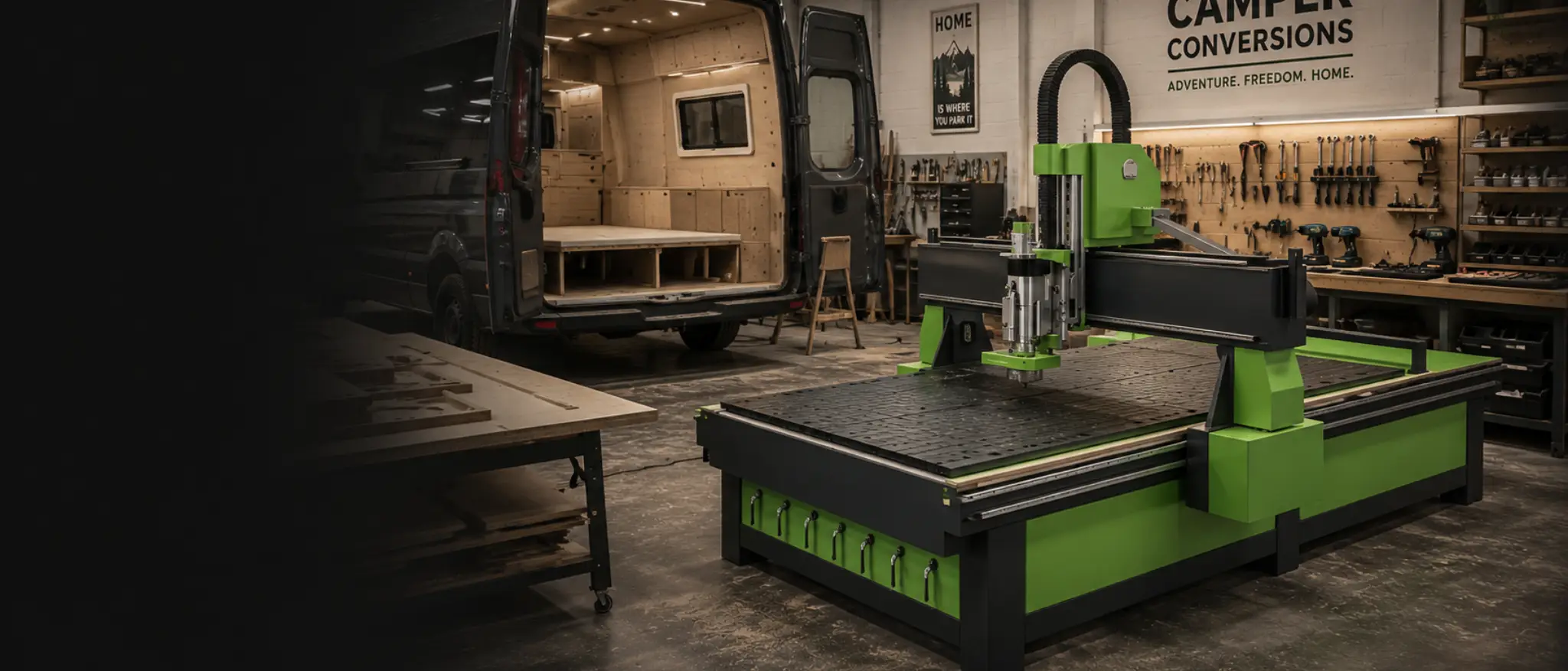
- Campervan conversions — interior panels and fit-out parts.
- Plastics fabrication — guards, panels and prototypes.
- Education and training — controlled digital-to-physical projects.
- Prototyping and custom product fabrication.
- Manufacturing — repeat components and small-batch production.
Browse sector examples on the applications hub, CNC routers for sign making and campervan conversion benefits.
CNC router, fibre laser or CO2 laser: what is the difference?
- CNC router — physical tooling cuts and profiles suitable sheet materials.
- Fibre laser — metal-focused sheet cutting for fabrication and engineering work.
- CO2 laser — acrylic, wood, MDF, card and many non-metal laser workflows.
Read CNC router vs fibre laser and explore the CO2 laser hub when process choice is still open.
Manual tool change vs ATC CNC routers
Manual tool-change routers suit simpler jobs, education and lighter daily use — the operator swaps cutters between operations. Automatic tool change helps when nests regularly need several tools every cycle. Falcon ATC uses a 10-tool linear rack (not a carousel). The right choice follows your workload, not experience alone.
Which Mantech CNC router route should you explore?
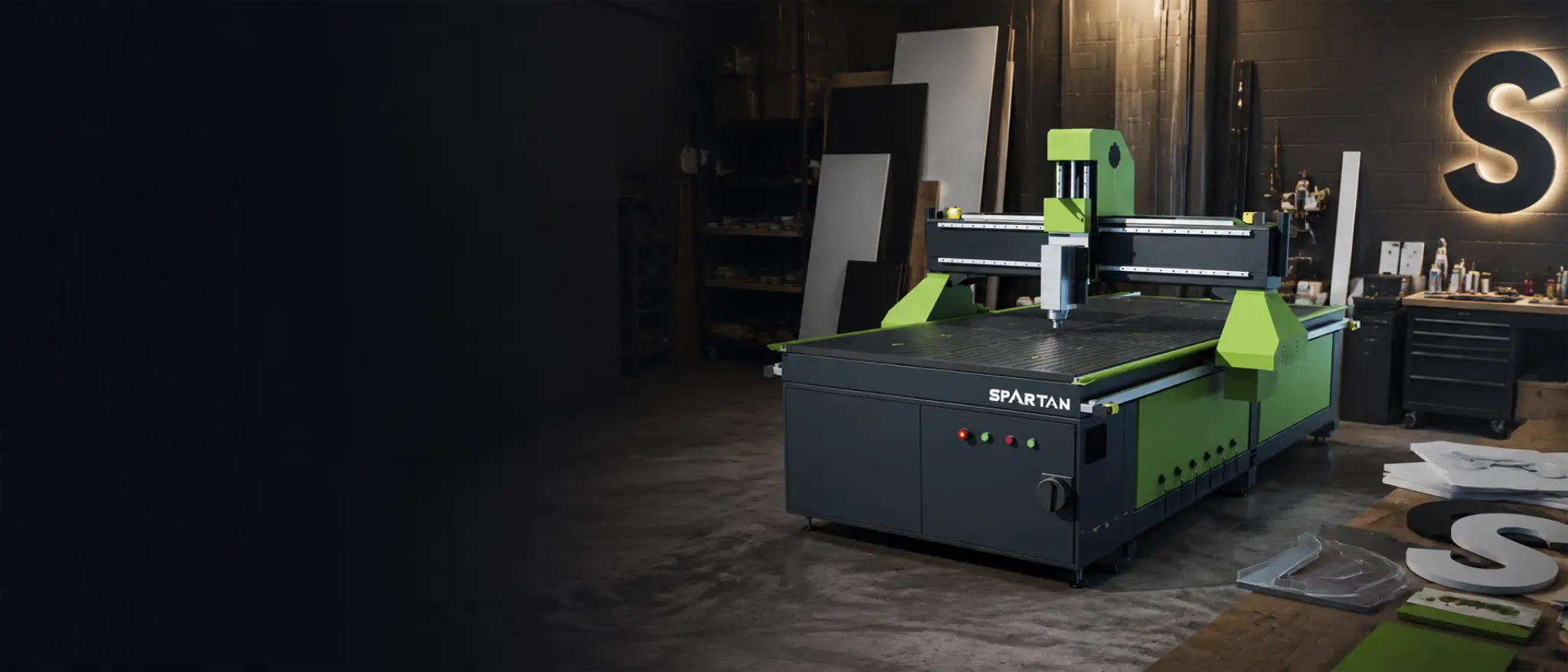
- Spartan — entry-level manual-change routing for startups, beginners and smaller workshops.
- Falcon ATC — automatic tool change with 10-tool linear rack for repeat multi-tool production.
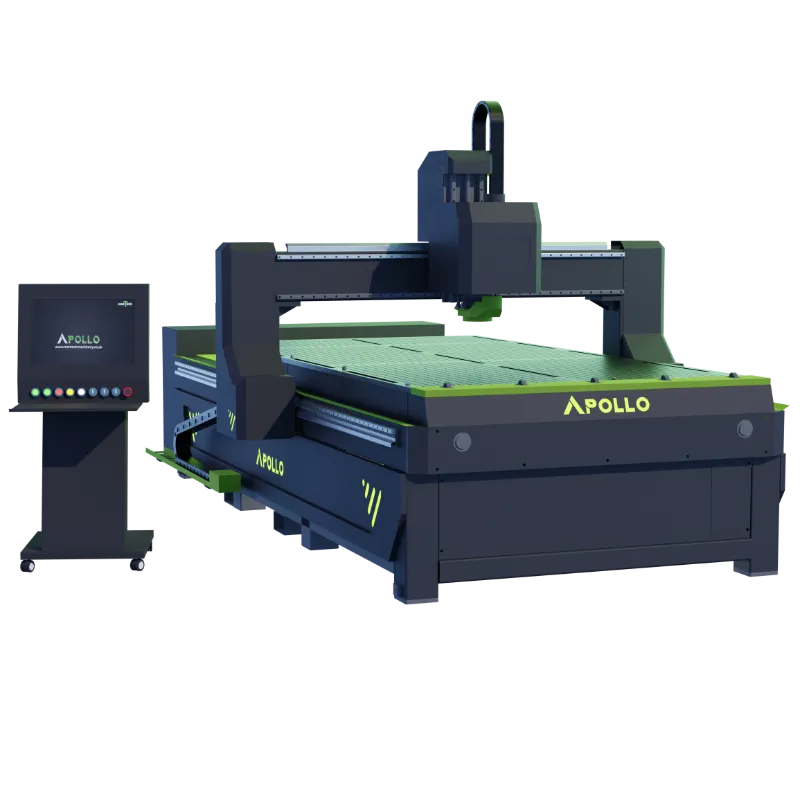
- Apollo M — manual-change platform with upgrade path to ATC when throughput grows.
- Apollo ATC — heavier-duty automatic tool changer for continuous multi-tool routing.
Compare live platforms on the CNC router hub, Spartan, Falcon ATC, Apollo M and Apollo ATC product pages.
What should you check before buying a CNC router?
- Material type and everyday sheet size.
- Bed format and workholding strategy.
- Tooling, cutters and dust extraction.
- Manual tool change vs automatic tool change.
- Software and CAM workflow — who programmes daily.
- Operator training, installation and UK support.
- Future growth — will manual change still suit your quoting?
Start with CNC routers for beginners, read the CNC buyers guide and 5-key CNC router guide for deeper comparison. Frame the commercial case in the UK business case guide.
Useful next reads
- CNC routers for beginners
First-machine decisions when you are past the basics.
- CNC routers buyer's guide
Structured Spartan vs Falcon vs Apollo comparison.
- CNC router benefits for UK manufacturers
Commercial and production benefits in a UK workshop context.
- CNC machines — what are they?
Broader CNC context when routing sits alongside other CNC processes.
- Top 5 reasons to buy a CNC router
Why UK workshops invest — in-house work, repeatability and new services.
- CNC router ROI calculator
Workload-dependent payback framing when you are building the case.
Frequently asked questions
What is a CNC router used for?
Cutting, profiling and engraving suitable sheet materials — signs, joinery parts, campervan panels, plastics, templates, prototypes and repeat production components. The exact fit depends on material, bed size and tooling.
What materials can a CNC router cut?
Common stock includes MDF, plywood, hardwood, plastics, composites and sign board. Light non-ferrous work may be possible on appropriate setups — verify with sample parts. Production sheet metal normally belongs on fibre laser, not routing.
Is a CNC router suitable for beginners?
Many schools, startups and small workshops start on manual-change entry platforms when training and support are planned. Match bed size and tooling to your everyday jobs — read the beginners guide and buyers guide before you fix budget.
What is the difference between a CNC router and a laser cutter?
A CNC router uses physical tooling on sheet materials. Fibre lasers cut suitable metals; CO2 lasers suit many non-metal laser workflows such as acrylic and timber. Process choice starts with material.
Should I choose manual tool change or ATC?
Manual change suits simpler jobs and lighter daily use. ATC suits multi-tool production nests. Falcon ATC uses a 10-tool linear rack; Apollo M offers an upgrade path when throughput grows.