CNC machines use programmed movement to carry out cutting, routing, machining and other repeatable production tasks. For UK workshop and manufacturing readers, understanding what CNC means — and where CNC routers sit within the wider family of CNC equipment — helps you route to the right buying advice. This article explains CNC machines in plain English; for CNC-router-specific detail, use our dedicated what-is-a-CNC-router guide.
CNC routing covers flat-sheet cutting, 2D profiling and nested jobs across timber, plastics and composites — separate from laser or press-brake lines. The what is a CNC router guide explains core concepts; the CNC hub shows live platforms, and applications maps sectors where UK workshops run routers in production.
What does CNC mean?
CNC stands for computer numerical control. A digital design or job setup is converted into instructions the machine controller follows — moving axes, spindles, lasers or tooling along programmed paths. The same programme can be run again for repeatable output, which is why CNC equipment is central to modern manufacturing, prototyping and many workshop production lines.
The technology evolved from numerical control machines in the 1940s through computer-controlled systems in the 1950s to today's software-driven platforms used across automotive, aerospace, electronics, woodworking and medical device production.
What do CNC machines do?
- Cutting and profiling materials to programmed shapes.
- Routing, engraving and drilling where the platform suits the stock.
- Milling, turning and grinding on machining-centre or lathe setups.
- Laser or plasma cutting on dedicated cutting platforms.
- Bending and forming sheet metal on press-brake lines.
- Repeatable production tasks from a stored programme rather than manual layout each time.
CNC machines can be programmed to perform a wide range of manufacturing operations. CAD software allows designers to create models that drive the machine — so design changes can feed through to production when the workflow is set up correctly.
Common types of CNC machines
- CNC routers — cutting, drilling and shaping wood, plastics, composites and suitable sheet materials.
- CNC lathes — rotating workpieces against a cutting tool.
- CNC milling machines — removing material with a rotating cutter.
- Fibre and CO₂ laser cutters — sheet cutting and engraving on laser-suited stock.
- CNC plasma cutters — cutting with a high-velocity plasma stream.
- CNC press brakes — bending and forming sheet metal components.
Mantech supplies CNC routers, fibre and CO₂ laser cutters, press brakes and related sheet-metal equipment. Match the machine category to your material and process — not every CNC type handles every job.
Where CNC routers fit
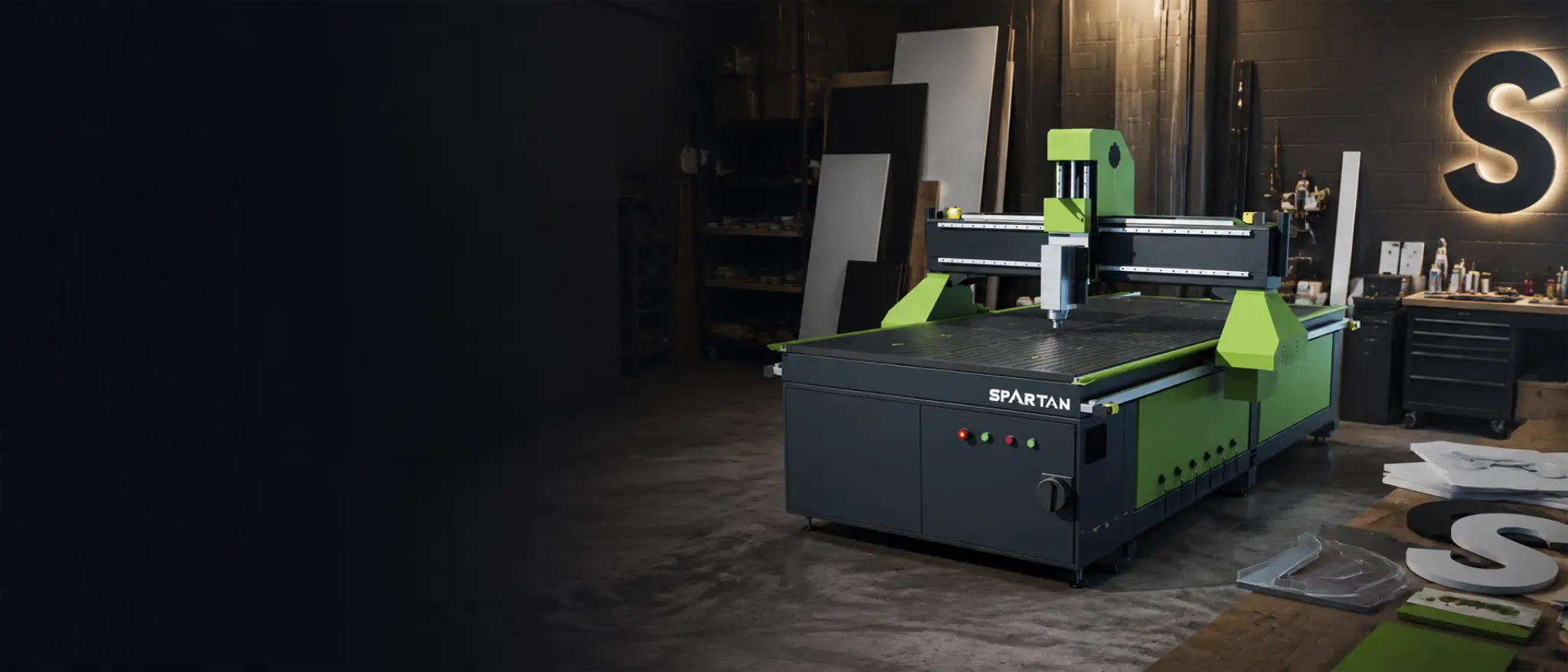
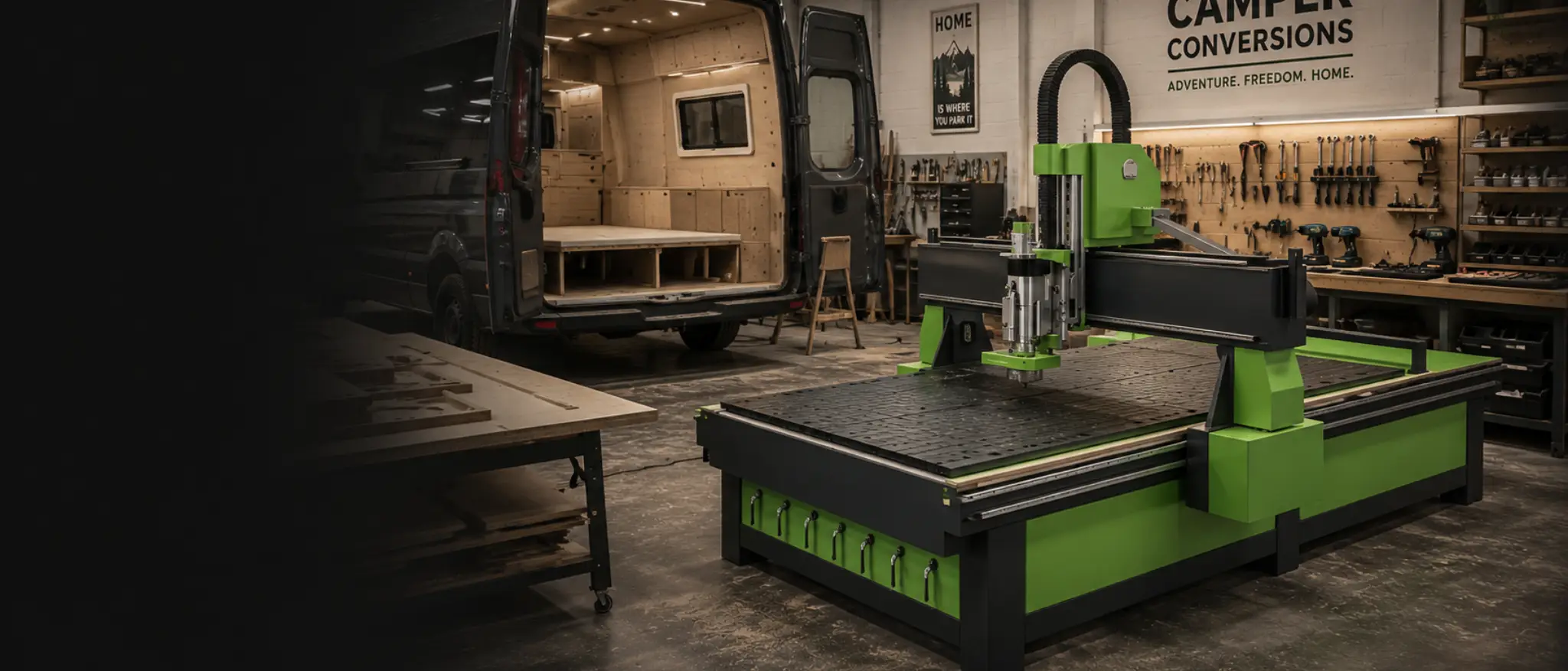
CNC routers are one important type of CNC machine — widely used for suitable sheet materials, panels, signs, joinery parts, plastics, campervan conversion panels, education projects, prototyping and custom fabrication. They use physical tooling rather than a laser beam, which suits many timber, board and plastic workflows.
For CNC-router-specific explanation, read what is a CNC router. Compare live Mantech platforms on the CNC routers hub and browse sector examples on the applications hub.
What materials are CNC routers commonly used for?
- MDF, plywood and timber-based sheet goods.
- Plastics such as acrylic, PVC and HDPE where tooling and extraction suit the stock.
- Composites and sign or display board on appropriate setups.
- Foam and prototype board for patterns and packaging.
- Light non-ferrous work such as aluminium on suitable machines — verify with sample parts.
CNC machines can work with a range of materials, including metals, plastics, wood and composites — but capability depends on machine specification, tooling, workholding and application. Production sheet metal normally belongs on fibre laser or press-brake routes, not general routing.
CNC router, fibre laser or CO2 laser?
- CNC router — tooling-based routing and profiling of suitable sheet materials.
- Fibre laser — metal-focused sheet cutting for fabrication and engineering work.
- CO2 laser — acrylic, wood, MDF, card and many non-metal laser workflows.
Read CNC router vs fibre laser, explore the fibre laser hub and CO2 laser hub when process choice is still open.
How to choose the right CNC route
Choosing the right CNC machine depends on material, sheet size, tooling needs, production level, support and future growth — not a generic ranking. Operating a CNC machine requires the right skills; with training and UK support, many workshops and schools run routing productively on entry platforms.
- Beginners — start with the CNC routers for beginners guide and what-is-a-CNC-router explainer.
- Buyers comparing models — use the structured CNC buyers guide, not this broad overview alone.
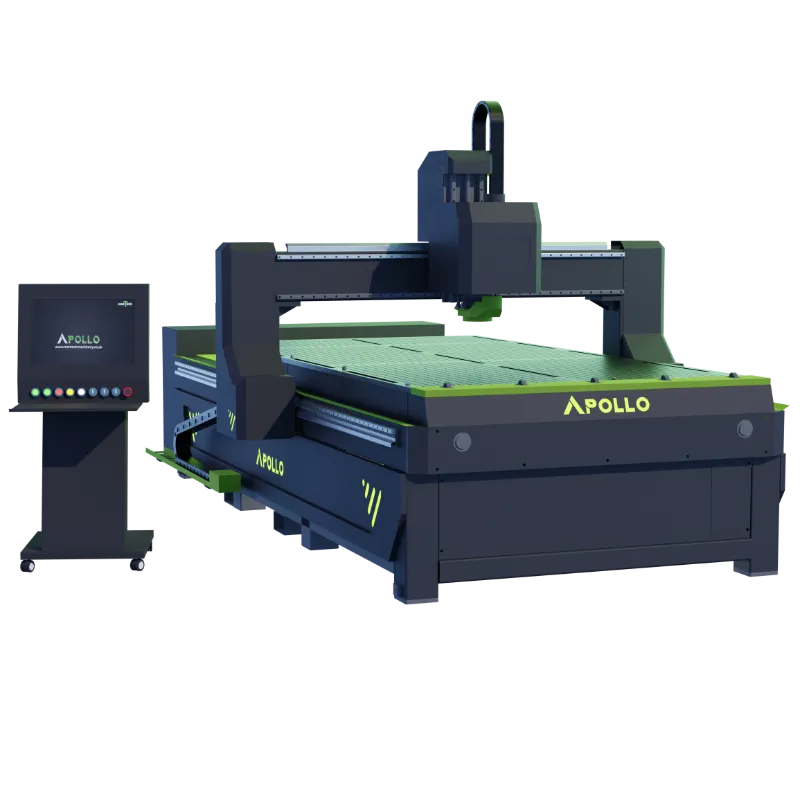
- Product-led enquiries — explore Spartan manual-change routing, Falcon ATC with 10-tool linear rack, and Apollo M with upgrade path to ATC.
Read CNC routers for beginners, the structured buyers guide and 5-key CNC router considerations. Explore Spartan, Falcon ATC, Apollo M and Apollo ATC on verified product pages.
Useful next reads
- What is a CNC router?
The main CNC-router intent owner — functions, materials and Mantech routes.
- Choosing the best CNC router
Practical selection advice when you are past the basics.
- The business case for a CNC router
Commercial framing when routing investment is under review.
- CNC router ROI calculator
Workload-dependent payback modelling — not a guarantee.
- CNC routers for sign making
When display and signage work drives your enquiry.
- CNC routers for campervan conversions
Panel and fit-out routing in van-build workflows.
Frequently asked questions
What does CNC stand for?
Computer numerical control — programmed instructions drive machine movement for repeatable cutting, routing, machining or processing tasks.
What is the difference between a CNC machine and a CNC router?
A CNC machine is the broad category; a CNC router is one type, focused on routing and cutting suitable sheet materials with physical tooling. Read the what-is-a-CNC-router guide for router-specific detail.
What can a CNC router cut?
Common stock includes MDF, plywood, hardwood, plastics, composites and sign board. Light non-ferrous work may be possible on appropriate setups — verify with sample parts. Material suitability depends on machine, tooling and workholding.
Are CNC machines suitable for beginners?
Many schools, startups and small workshops start on entry CNC routing platforms when training and UK support are planned. Match the machine category and bed size to your everyday jobs — read the beginners guide before you fix budget.
How do I choose the right CNC router?
Use the structured buyers guide and 5-key considerations article for comparison. Explore Spartan, Falcon ATC and Apollo on the CNC hub — Falcon ATC uses a 10-tool linear rack for multi-tool production.