Fibre laser and CO₂ laser cutters both have a place in UK workshops — but they solve different material problems. This guide is specifically about sheet metal cutting: mild steel, stainless, aluminium and related fabrication work. If that is where your quoting volume sits, fibre laser is normally the stronger fit. CO₂ remains the practical choice for acrylic, wood, MDF, card, plastics and many education or signage workflows. For a broader comparison across all materials, see our general fibre vs CO₂ guide — this page stays focused on metal sheet buyers.
The right platform depends on material mix, finish requirements and throughput — not headline speed figures alone. Explore flat-sheet fibre on the fibre laser hub, CO₂ ranges for engraving and non-metals on the laser hub, and our fibre cutting guide if you are shortlisting kW and bed size.
If the comparison points towards fibre, explore our fibre laser cutters. Materials better suited to non-metal cutting may still favour a CO₂ laser machine. The fibre laser power guide explains how output should reflect material thickness and production speed. You can also review typical laser cutting applications before choosing a platform.
The short answer for sheet metal cutting
- Fibre laser is the right route for most sheet metal cutting — mild steel, stainless, aluminium and selected reflective metals on suitable power and spec.
- CO₂ laser is usually better suited to non-metal materials — acrylic, timber, MDF, card, leather and craft or education sheet work.
- The final choice still depends on your everyday material mix, thickness range, production volume, finish expectations, workshop setup and budget — not headline brochure speed alone.
If you are comparing technologies beyond sheet metal, read the general fibre vs CO₂ laser guide first. If metal dominates, start on the fibre laser cutters hub.
How fibre laser cutting works for sheet metal
Fibre laser cutting uses a solid-state laser source delivered through a fibre optic cable to a cut head that focuses the beam onto the metal surface. The energy melts or vaporises material along the programmed path while assist gas — typically nitrogen or oxygen, depending on the job — helps eject molten metal and protect the cut edge. A CNC motion system follows your nest across the sheet.
Because the process is metal-focused, fibre platforms are built for fabrication, engineering, enclosures, signage metalwork and manufacturing production — not for cutting acrylic panels or engraving timber. Suitable everyday metals include mild steel, stainless steel and aluminium sheet within each machine's rated capability, plus brass and copper on appropriate power and cut-head spec.
See real UK installs on installations and sector examples on the applications hub — useful context before you shortlist bed size and kW.
Where CO₂ laser cutters fit
CO₂ lasers excel on non-metal materials: acrylic, wood, MDF, card, leather, some plastics and layered signage stock. They are widely used in education, craft, prototyping, packaging mock-ups and workshops that engrave or cut non-metal sheet every day. Light-duty thin metal cutting is sometimes possible on CO₂, but CO₂ is not usually the best choice for production sheet metal work where fibre delivers better metal throughput, lower maintenance on the laser source and a process built around fabrication nests.
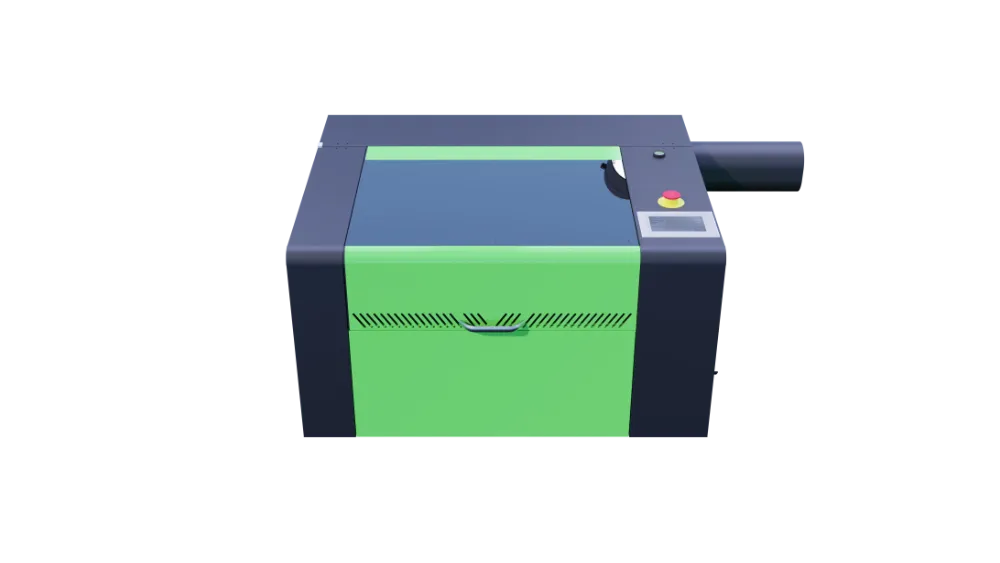
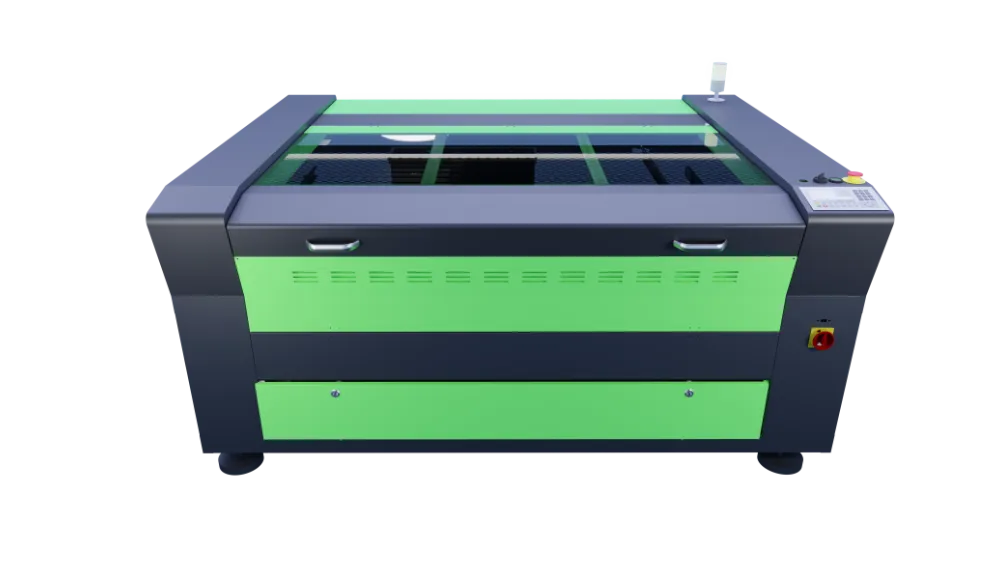
Explore Desktop, Pro and Large Format ranges on the CO₂ laser hub, including Lasertech Desktop for compact maker and education workflows and Lasertech Pro for daily workshop output on non-metals.
Fibre laser vs CO₂ laser for sheet metal: comparison table
| Buyer question | Fibre laser | CO₂ laser | What it means for sheet metal buyers |
|---|---|---|---|
| Suitable materials | Mild steel, stainless, aluminium and selected reflective metals within rated spec | Acrylic, wood, MDF, card, plastics; light thin metal only in limited cases | Metal-heavy quoting → fibre. Non-metal sheet → CO₂. |
| Cutting speed on suitable metals | High power density at the cut front — strong throughput on everyday fab sheet | Not optimised for production metal cutting | Fibre wins cycle time on the metal work UK fab shops run most often |
| Edge quality | Narrow kerf and repeatable profiles on suitable metals with correct gas and settings | Excellent on non-metals; metal edge quality and dross control are limited | Fibre is the practical default for clean metal profiles in production |
| Running costs | Efficient solid-state source; no CO₂ laser tube replacement cycle for metal work | Lower entry cost for non-metal workflows; tube life and optics maintenance on CO₂ | Model your shift pattern — fibre economics favour sustained metal volume |
| Maintenance considerations | Less mirror and tube upkeep than gas laser metal routes; planned service on cut head and chiller | Mirror alignment, tube replacement and optics cleaning are part of CO₂ ownership | Fibre reduces laser-source maintenance versus CO₂ used primarily for metal |
| Reflective metals | Processable on suitable fibre power and cut-head spec with correct settings | Reflectivity makes many metals problematic on CO₂ | Brass, copper and aluminium programmes usually start on fibre, not CO₂ |
| Bed size and production workflow | Flatbed nests from compact platforms through full 3015 production formats | Smaller beds common; geared to engraving and non-metal sheet sizes | Full-panel metal nesting favours fibre flatbeds sized to your blank format |
| Typical buyer profile | Fabricators, engineering SMEs, subcontractors, colleges teaching metal production | Sign makers, educators, crafters, prototyping shops on non-metal sheet | Match the platform to what you quote most weeks — not occasional one-offs |
Which materials are you cutting?
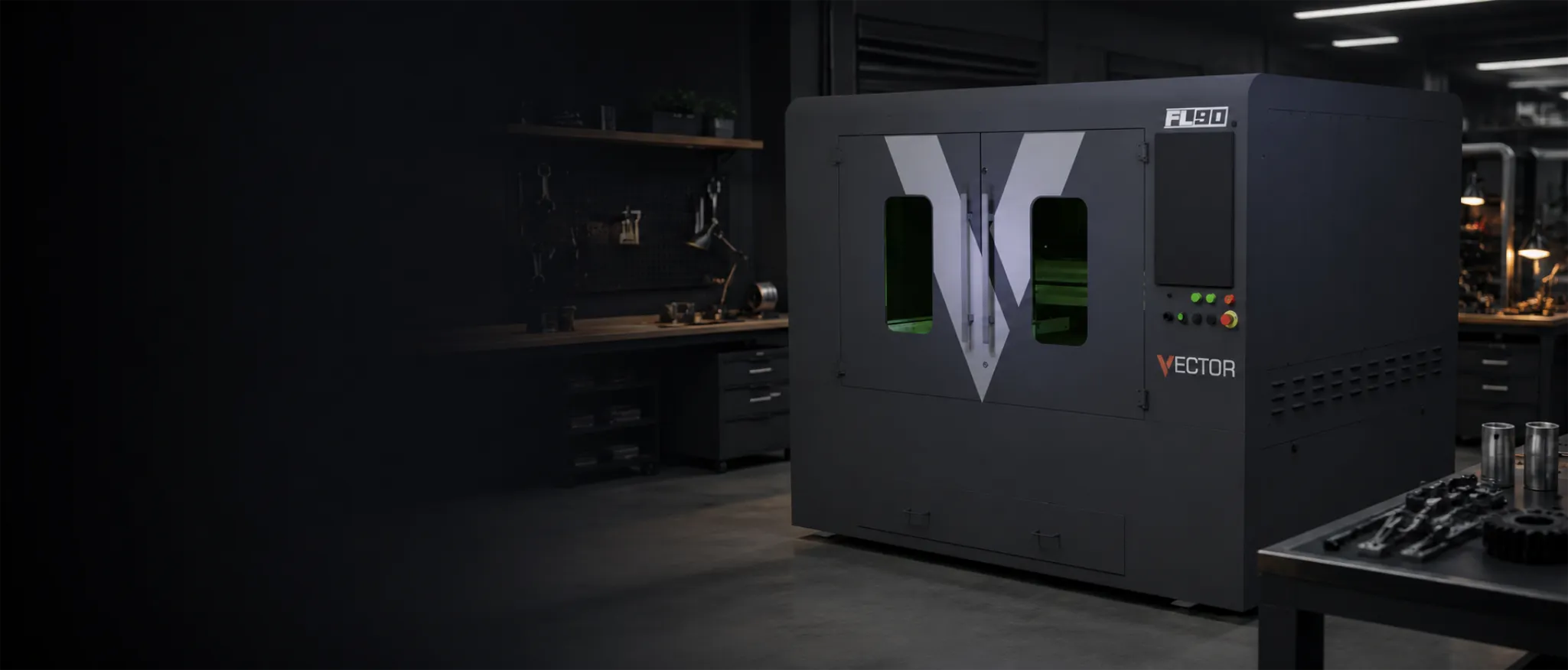
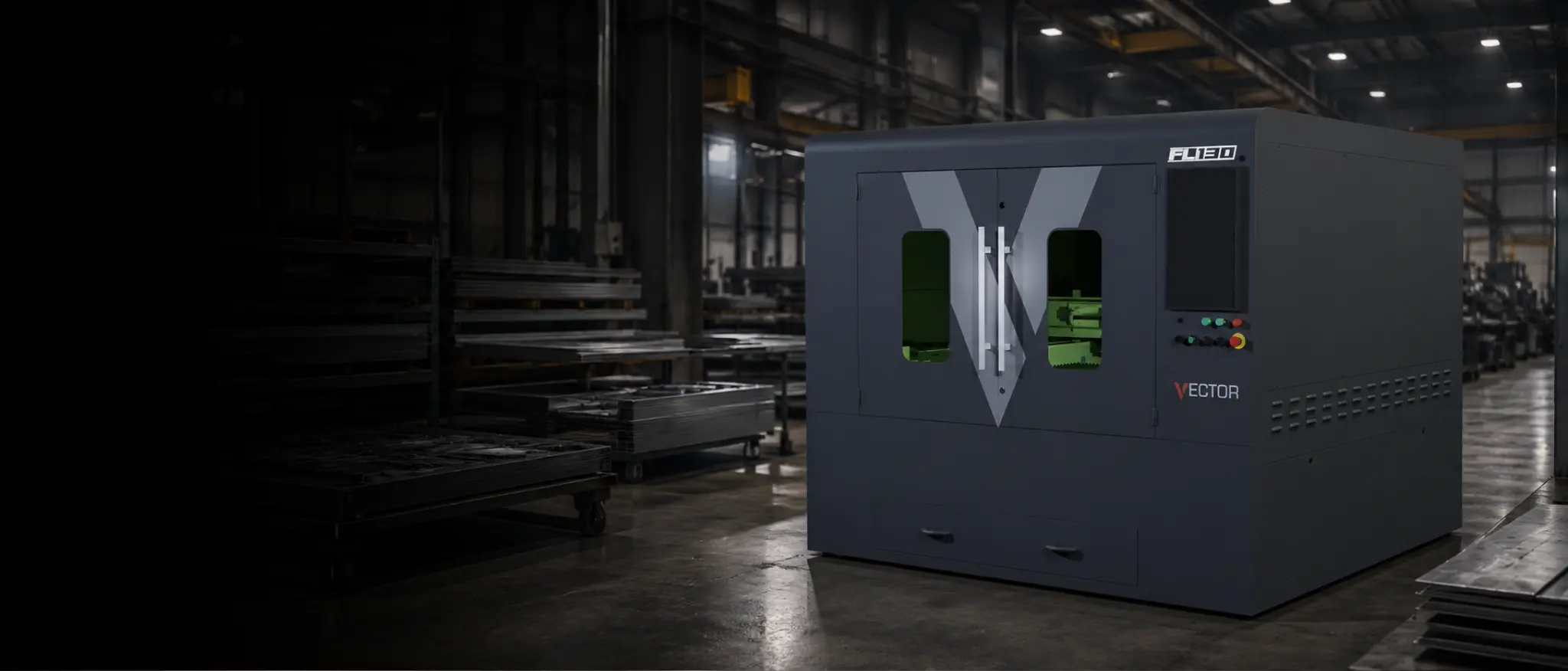
- Mostly mild steel or stainless sheet — fibre laser flatbed; compare Vector FL60, FL90 and FL130 on the fibre hub.
- Aluminium panels and mixed metal fabrication — fibre with appropriate kW and assist gas; reflective metals need verified spec.
- Mixed metal production with growing volume — fibre production bed; read the power guide before you fix kW.
- Mostly acrylic, MDF, plastics or layered signage materials — CO₂ laser; Desktop or Pro depending on bed and daily hours.
- Education, craft or workshop training on non-metal sheet — CO₂ Desktop or education-focused guides; fibre only if metal curriculum dominates.
Still weighing process choice across routing and laser? The CNC router vs fibre laser guide covers a different decision — this page assumes you have already narrowed to laser cutting for sheet work.
Choosing fibre laser power for sheet metal
Power choice depends on material type, everyday thickness range, production volume, desired cut speed, assist gas setup and future growth — not a single peak demo part. Entry kW suits light-gauge sheet and first metal laser investment; mid kW covers general fabrication; higher kW tiers serve busy production on larger everyday gauges. Bed size and kW should be decided together.
Read the fibre laser power guide for a UK-focused walkthrough of each tier, then model ownership on the fibre laser ROI calculator and our fibre laser cost guide before you request a quote.
Machine choice: compact fibre laser or larger production bed?
Compact fibre platforms suit smaller footprints, education labs and workshops cutting sub-full-size sheet where floor space and first investment matter. Mid-size beds cover typical UK fab shop panels and daily nest mixes. Larger production flatbeds reduce joins on full-format nests when you quote complete panels rather than spliced sections — important for subcontractors running continuous sheet shifts.
Compare Vector FL60 for compact entry, FL90 for mid-size sheet metal work and FL130 for increased cutting area on the fibre laser hub. For deeper process context, read our fibre laser cutting guide.
When a CO₂ laser may still be the better buy
CO₂ remains the right platform when non-metal materials dominate: acrylic display work, timber and MDF prototypes, card and packaging samples, craft products and classroom projects. Sign makers who engrave acrylic and cut timber daily often run CO₂ alongside — or instead of — a metal cutting route. If you occasionally cut thin metal but primarily work non-metal sheet, CO₂ may still fit — but do not expect production metal throughput comparable with fibre.
Start on the CO₂ laser hub, read choosing CO₂ laser wattage and our desktop CO₂ for education and craft article if your buyers are schools or makerspaces.
Final recommendation for sheet metal buyers
For sheet metal production — mild steel, stainless, aluminium and everyday fabrication nests — explore fibre laser cutters with UK installation, operator training and application advice from Mantech. For non-metal sheet work, explore CO₂ laser ranges on the laser hub. If your material mix spans both, speak to our UK engineers with sample files and honest volume split before you commit floor space to one platform.
Call 0121 541 1444 or request a quote when you have nest files and workshop dimensions ready. Mantech supplies, installs and supports both fibre and CO₂ platforms from Halesowen — application-led advice, not generic brochure matching.
Useful next reads
- General fibre vs CO₂ laser guide
Broader material comparison when your work is not sheet-metal-only — keeps this page focused on metal buyers.
- Fibre laser cutting guide
Process, materials, power tiers and Vector/Titan platform split once you have chosen fibre for metal.
- Fibre laser power guide
Match 3 kW through 20 kW to thickness, speed and production duty on sheet metal.
- Vector FL90 fibre laser
Mid-size flatbed fibre platform — a common UK shortlist for general fabrication sheet.
- Lasertech Pro CO₂ range
Workshop CO₂ platforms for signage, engraving and non-metal production when fibre is not the fit.
- Fibre laser cost guide (UK)
Ownership factors beyond purchase price — running cost, gas, extraction and support.
Frequently asked questions
Is fibre laser better than CO₂ for sheet metal?
For flat sheet metal — mild steel, stainless and aluminium within each machine's rated capability — fibre is usually the better fit. Fibre is metal-focused, delivers strong throughput on suitable gauges and avoids the CO₂ tube and mirror maintenance cycle associated with gas lasers used for metal. CO₂ remains better when non-metal materials dominate your work.
Can a CO₂ laser cut metal?
CO₂ can cut thin mild steel in light-duty applications, but it is not usually the best choice for production sheet metal cutting. Reflective metals such as aluminium, brass and copper are particularly problematic on CO₂. If metal is your everyday volume, fibre laser is the practical route.
What metals can a fibre laser cutter cut?
Typically mild steel, stainless steel and aluminium sheet within each platform's rated capability, plus brass and copper on suitable power and cut-head spec. Fibre lasers do not cut wood, MDF, acrylic or fabric — those materials stay on CO₂ or other processes.
What power fibre laser do I need for sheet metal?
Match kW to your everyday material thickness, production speed and assist gas setup — not a single peak demo part. Entry tiers suit light-gauge and first investment; mid kW covers general fab; higher kW serves production volume on larger everyday gauges. See the fibre laser power guide for tier detail.
Should I buy a fibre laser or CO₂ laser for my workshop?
If sheet metal dominates your quoting, buy fibre. If acrylic, timber, MDF, card or craft materials dominate, buy CO₂. Mixed workshops often run both platforms — or speak to Mantech with sample files before you choose. This page covers sheet metal; the general fibre vs CO₂ guide covers all material types.