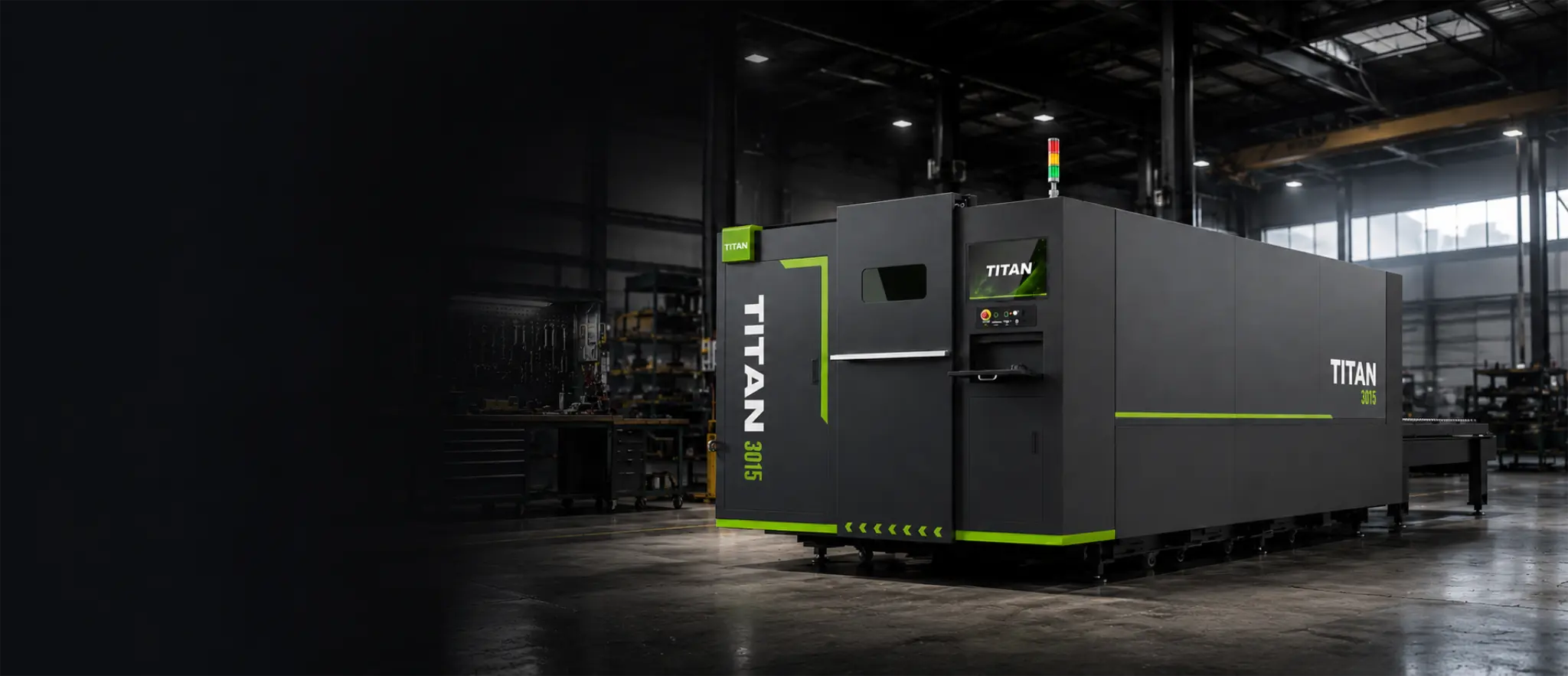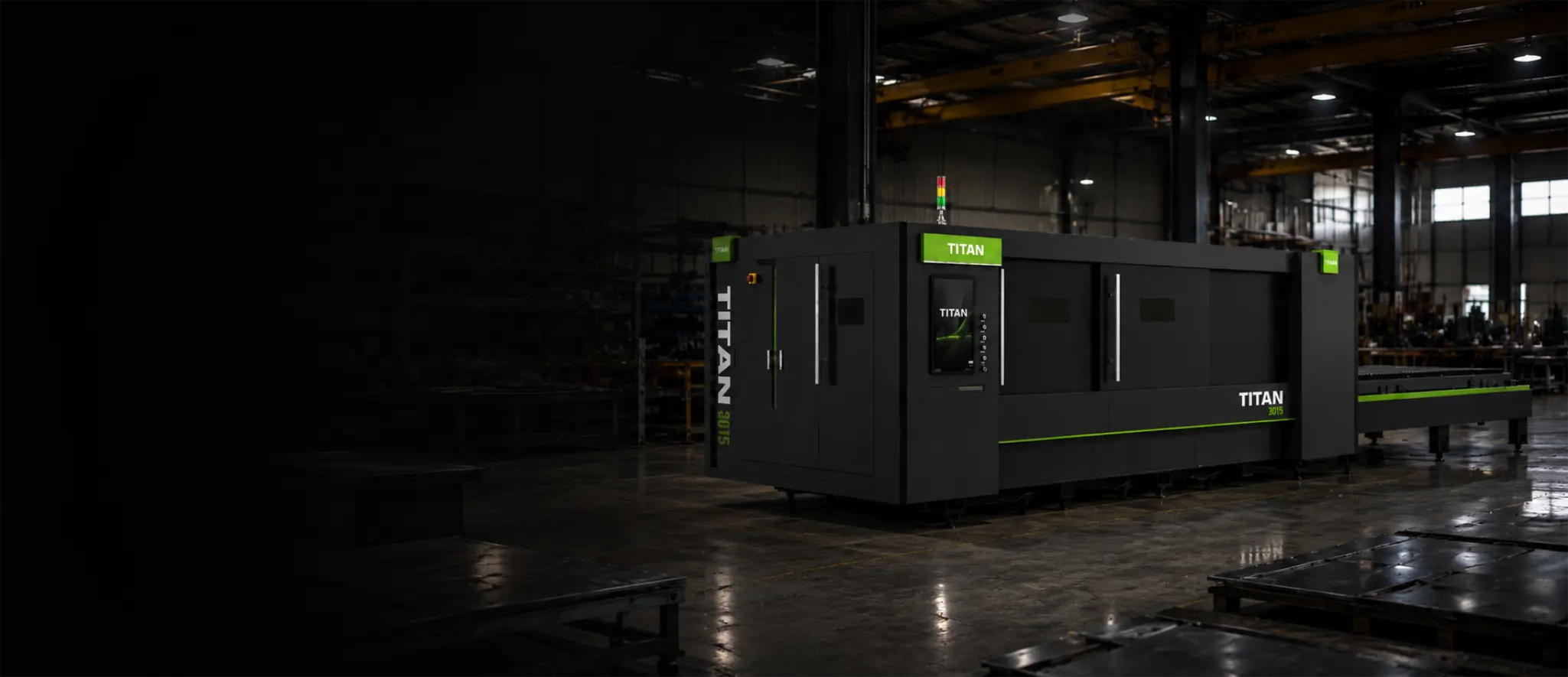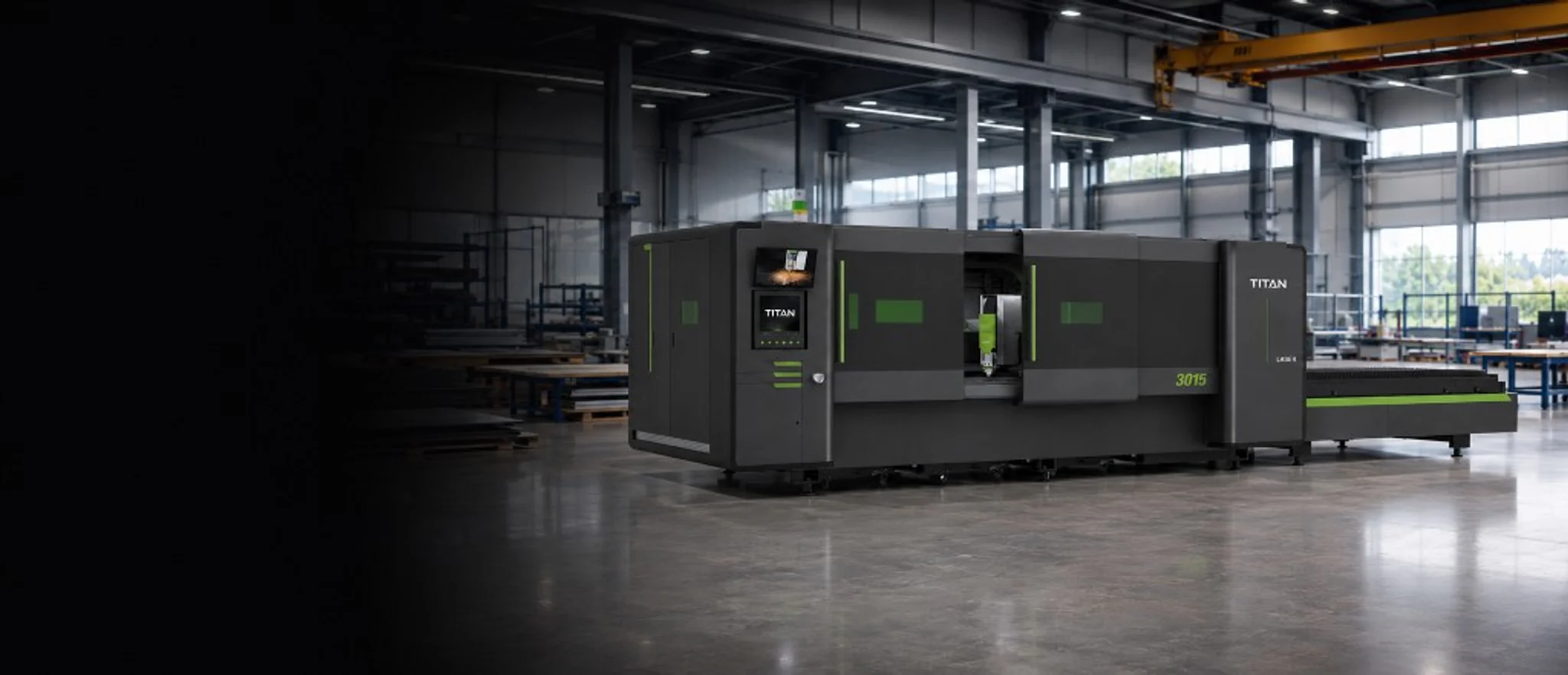
Choosing fibre laser power is one of the biggest buying decisions for UK sheet metal cutting — but kW must match your real material mix, thickness range, production volume and assist-gas setup. Higher power can increase capability and productivity on suitable metals, yet it is not automatically the best choice for every workshop. This guide explains what each tier tends to suit and where Vector and Titan platforms fit on the Mantech range.
Match kW to your everyday material thickness and shift length — not a single peak demo part. Compact tiers map to Vector FL60, FL90 and FL130; production routes include Vector FL250/300 and Titan flatbeds such as N Series and FP Series on the fibre hub. Use the fibre ROI calculator for running-cost context, and the technology guide if source and chiller architecture is still open.
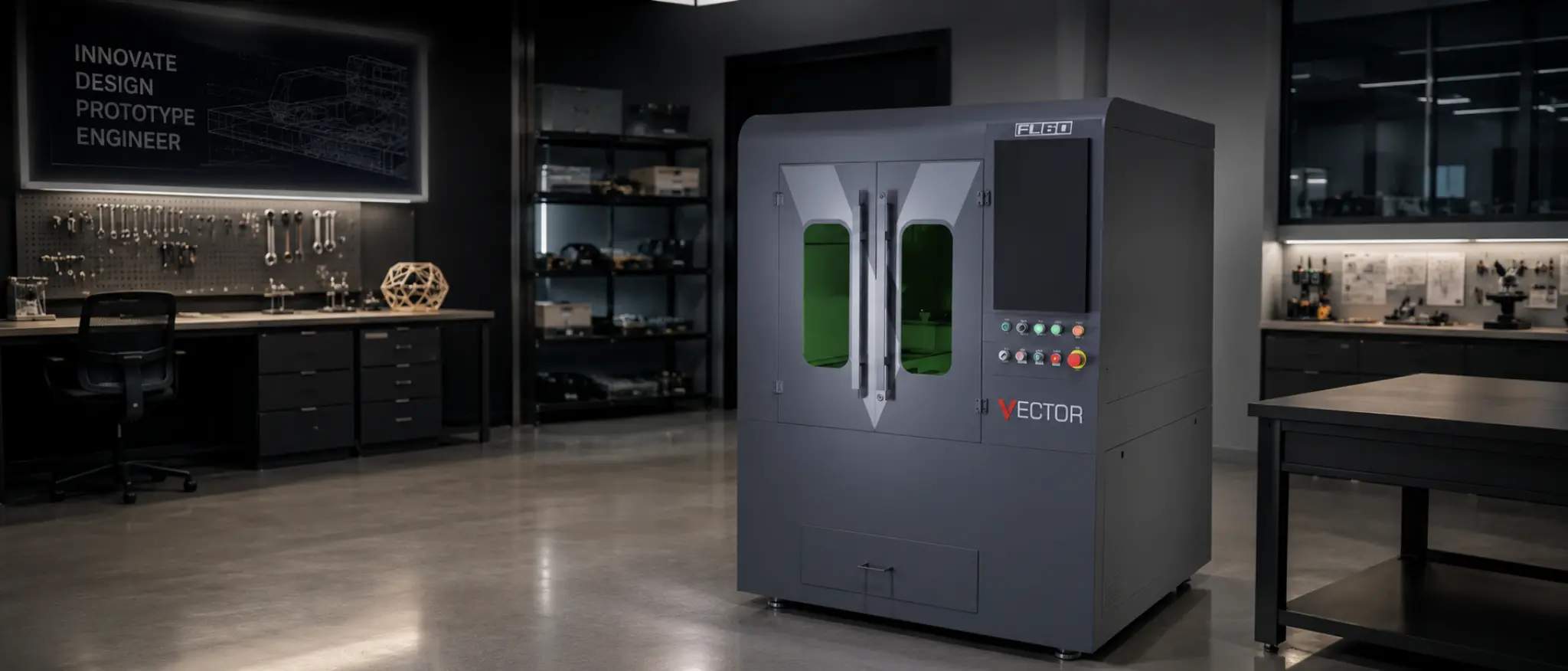
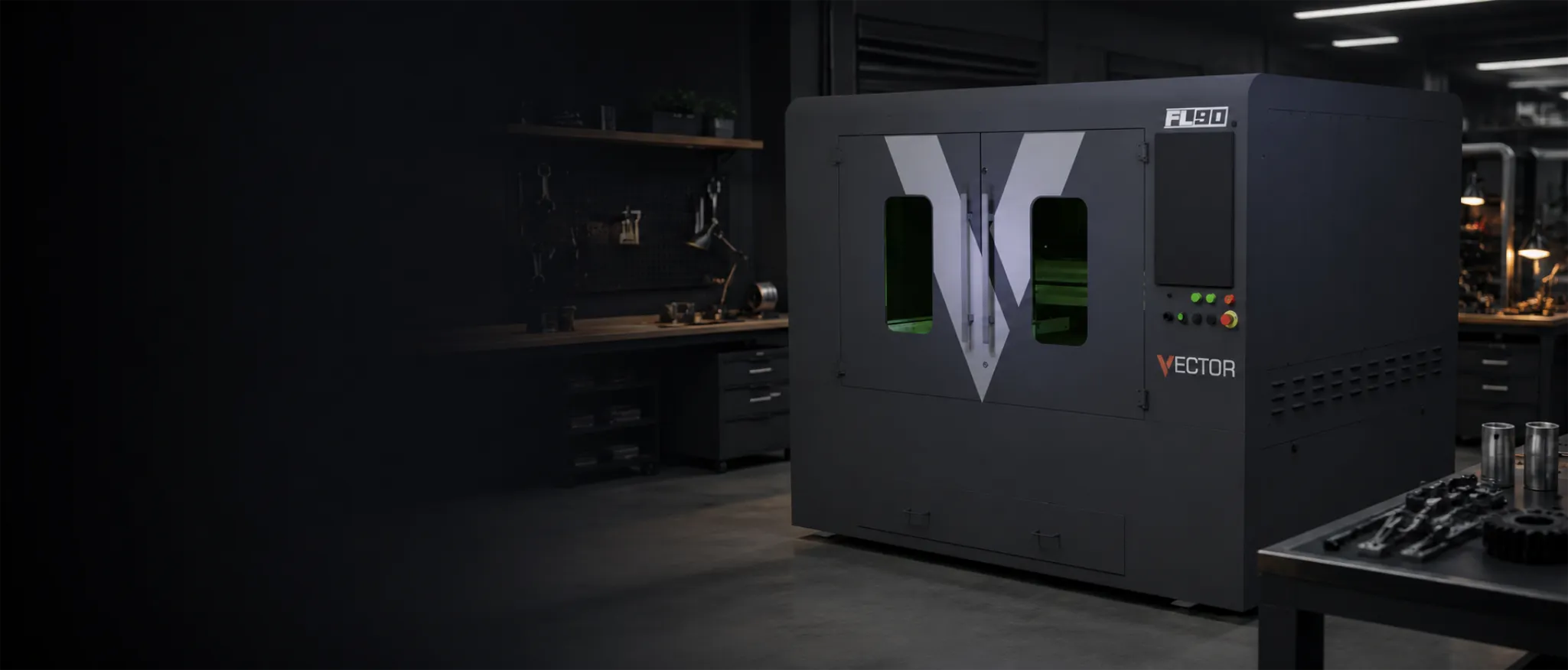
Lower-power configurations are available on compact machines such as the Vector FL60 and Vector FL90. For larger sheets and sustained production, compare those machines with the Vector FL250 and FL300. The complete fibre laser cutter range brings all Vector and Titan platforms together in one place. Our applications guide can help you relate those choices to the work your business produces.
The short answer: choose power around your work
- Material type — mild steel, stainless, aluminium and everyday thickness range.
- Production volume and shift pattern — occasional nests vs multi-shift output.
- Desired cut speed and edge-quality expectations on your typical jobs.
- Assist gas setup — nitrogen, oxygen or air cutting where appropriate.
- Future growth — will your quoting move into thicker or faster work?
- Workshop infrastructure — extraction, compressor quality, safety enclosure and UK support.
Start on the fibre laser cutters hub for live Vector and Titan platforms. For ownership context beyond kW alone, read the fibre laser cost guide and model scenarios on the fibre ROI calculator.
What fibre laser power affects
- Cutting capability on suitable metals within each machine's rated range.
- Processing speed and piercing behaviour on your everyday thicknesses.
- Productivity across a shift — but only when bed size, nesting and gas suit the job.
- Assist-gas pressure and flow requirements.
- Platform choice — compact Vector beds vs Titan production flatbeds.
Laser power is only part of the equation. Nozzle selection, focus position, gas pressure, beam quality, machine rigidity and software also have a major impact on edge quality and repeatable output.
3kW fibre laser: where it can fit
- Smaller fabrication shops and lighter daily sheet-metal volume.
- Education, prototyping or compact workshop footprints where appropriate.
- Workloads centred on thinner everyday stock rather than heavy plate.
- Buyers prioritising lower running cost over maximum throughput.
Explore compact Vector routes on the Vector FL60 product page and compare wider options on the fibre laser hub.
6kW fibre laser: where it can fit
- A versatile workshop route for general fabrication and mixed material cutting.
- Subcontractors and job shops stepping beyond entry-level use.
- Businesses whose workload spans a practical mid-range of sheet thicknesses.
- Still application-dependent — match platform and gas to your nest mix.
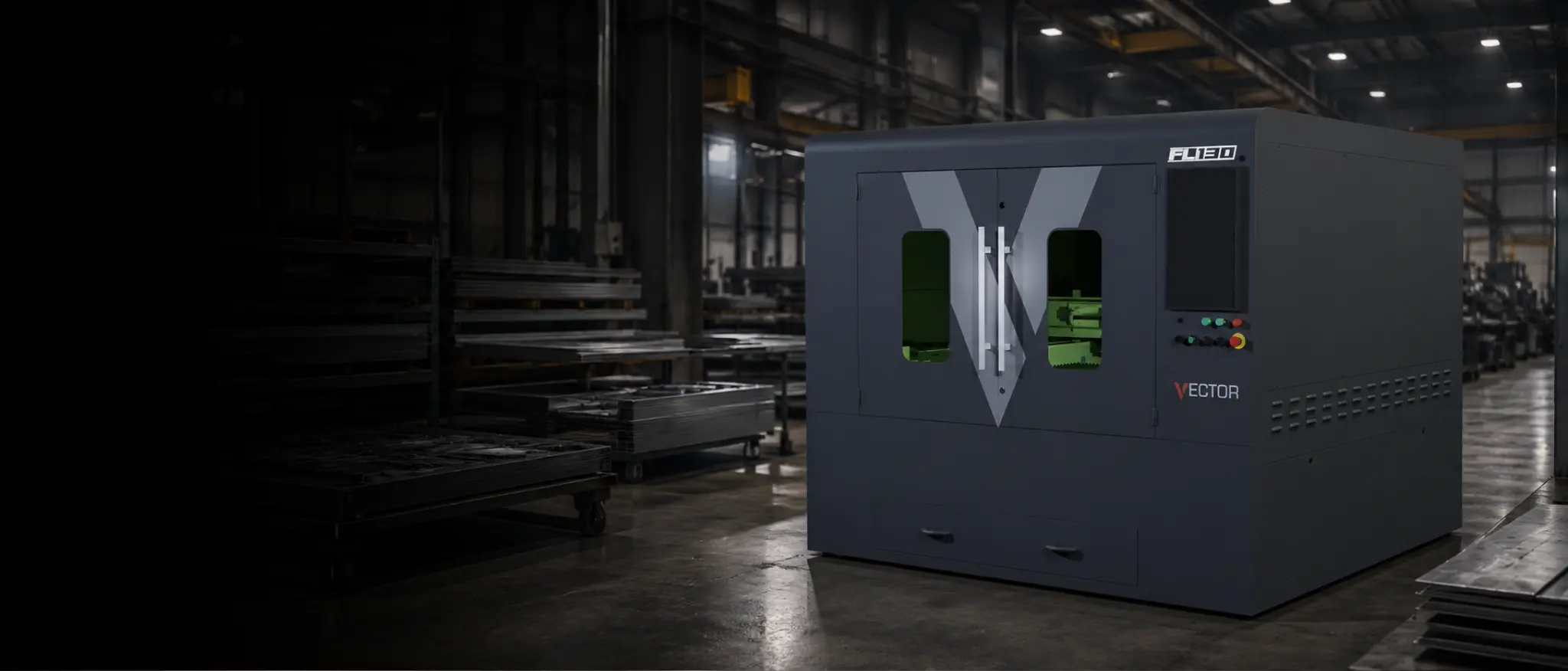
Compare mid-format Vector platforms on Vector FL90 and Vector FL130, or production flatbed options on Titan N Series.
12kW fibre laser: where it can fit
- Higher production demand and multi-shift operations where spec supports it.
- Fabricators needing faster throughput on mid-to-thicker everyday stock.
- Workshops upgrading from 6kW when quoting volume justifies the step.
- Requires planning for assist gas, extraction, safety enclosure and UK service backup.
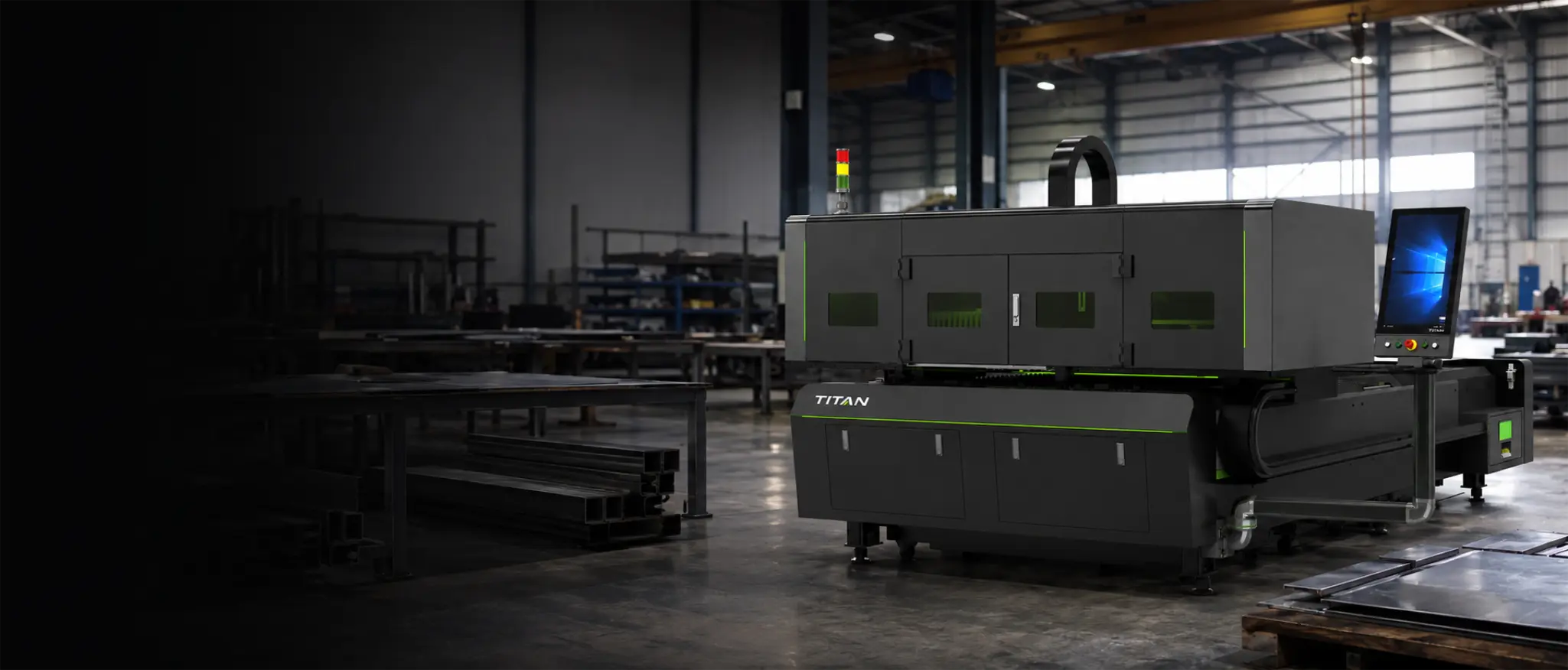
Review high-power Vector production on Vector FL250/300 and Titan dual-shuttle routes on Titan FB Series and Titan FC Series (F3015C & F6025C).
20kW fibre laser and higher-power production routes
- Higher-output production environments with sustained thick-sheet demand.
- Large manufacturers and fabricators where throughput expectations justify infrastructure.
- Careful application matching — not the default answer for every buyer.
- Plan extraction, filtration, safety, compressor quality and service support before you fix kW.
Mantech production flatbed routes include Titan FP3015 for premium dual-shuttle output at higher kW tiers — discuss automation, loading and storage requirements with our UK engineers rather than assuming maximum power alone.
Explore Titan FP Series and the full Titan range on the fibre laser hub.
Fibre laser power comparison table
| Power tier | Typical buyer profile | Common decision factors | When to step up |
|---|---|---|---|
| 3 kW | Compact workshops, education, lighter sheet volume | Everyday thickness range, footprint, running cost, training | When nests regularly exceed comfortable daily capability on current kW |
| 6 kW | General fabrication, subcontractors, mixed sheet work | Material mix, nest size, gas setup, bed format | When mid-thickness jobs dominate quoting and cycle time limits output |
| 12 kW | Busy production, multi-shift fab shops | Throughput, extraction, safety, service backup | When 6 kW capacity is consistently the bottleneck across shifts |
| 20 kW+ | High-output production, Titan flatbed routes | Infrastructure, automation, thick-sheet demand, UK support plan | Only when verified application review supports the investment — not by default |
Power is only one part of the buying decision
- Bed size and sheet format — nest your largest everyday blank without excessive repositioning.
- Material type and thickness range you actually quote.
- Assist gas — nitrogen, oxygen or air cutting where edge quality allows.
- Extraction and filtration — size Kemper or equivalent for your install.
- Safety enclosure, interlocks and workshop layout.
- Control software, nesting workflow and operator training.
- UK installation, service backup and future growth.
Read fibre laser safety, 10 key maintenance checks and size extraction on the Kemper fibre laser extraction hub.
Air cutting with industrial compressors
Air cutting can suit thin and medium-thickness mild steel, aluminium and galvanised sheet for general fabrication, signage metalwork and high-volume part production — where edge quality requirements allow. Successful air cutting depends on clean, dry, stable compressed air; Mantech can supply matched compressor packages for Vector and Titan fibre laser installs.
Air is not recommended where oxide-free edges, mirror finishes or high-end stainless components are required. Confirm suitability with sample parts and assist-gas advice — not assumptions from a brochure tier.
Use the fibre laser cut parameter tool to explore material and thickness scenarios on Vector platforms before you fix power and gas strategy.
Fibre laser or CO2 laser?
Fibre laser is the metal-focused route for mild steel, stainless and aluminium sheet. CO₂ laser is generally for non-metal materials such as acrylic, wood, MDF, card, selected plastics and education or craft workflows — not production sheet metal cutting.
Read fibre vs CO₂ for sheet metal, the general fibre vs CO₂ guide and explore CO₂ ranges on the CO₂ laser hub.
Useful next reads
- What can you cut on a fibre laser?
Metals, thickness by kW and shop-floor cut videos before you lock a power tier.
- Cutting stainless and aluminium on a fibre laser
Job fit before you pick kW for those two metals.
- Fibre laser technology guide
Source, chiller and cut-head decisions that sit alongside kW choice.
- How to choose a fibre laser cutter
Put kW into the wider decision around format, tables, software, infrastructure and support.
- Machinery installations
Real UK Vector and Titan installs across power levels.
Frequently asked questions
What fibre laser power do I need?
Match kW to your everyday material, thickness range, production volume and assist-gas setup — not a single demo part. Start on the fibre laser hub, use this guide for tier profiles, then discuss sample nests with Mantech UK engineers.
Is a 6kW fibre laser better than a 3kW fibre laser?
Not automatically. 6kW suits broader fabrication and mixed sheet work; 3kW can fit compact workshops and lighter daily volume. Better means matched to your quoting — verify with sample parts on the platform you are considering.
Should I choose 12kW or 20kW fibre laser power?
12kW often suits busy production upgrading from 6kW. 20kW+ Titan routes target high-output environments with infrastructure to support them. Neither is the default for every buyer — plan extraction, gas, safety and service before you fix top-tier kW.
Is higher fibre laser power always better?
No. Higher kW increases capability on suitable work but adds running cost, infrastructure and support requirements. Choose the lowest tier that comfortably covers your everyday nests with room for reasonable growth.
What else matters besides fibre laser power?
Bed size, material mix, assist gas, extraction, safety enclosure, software, training and UK service backup. Read the fibre laser cost guide and technology guide alongside this power guide.