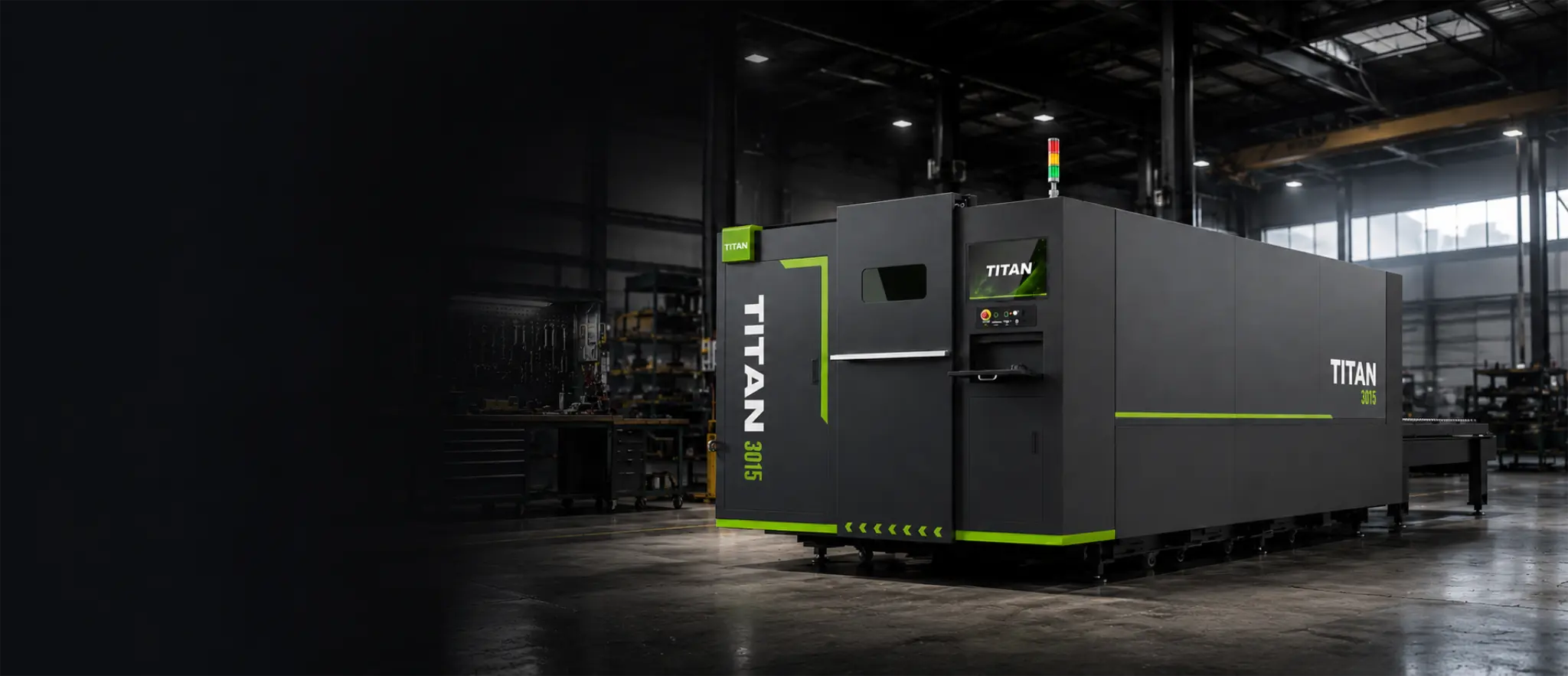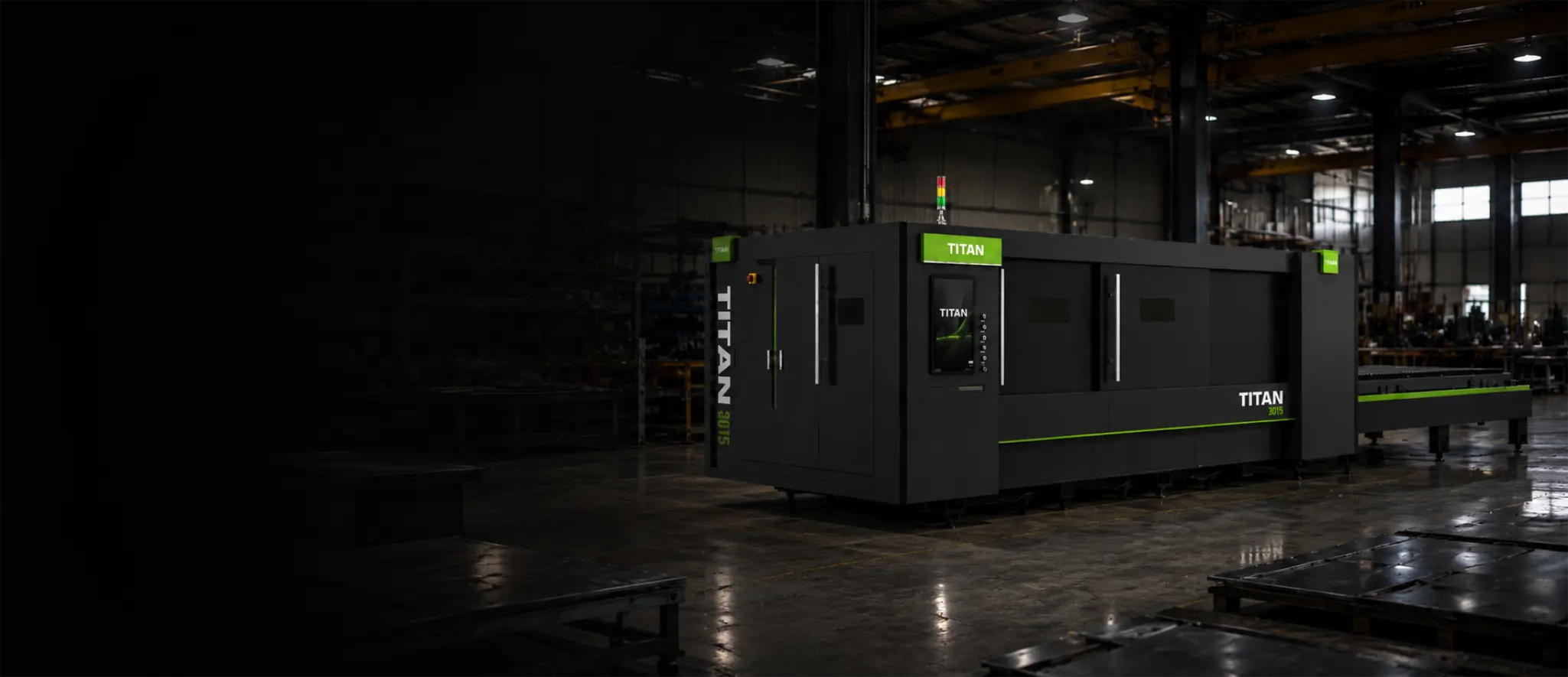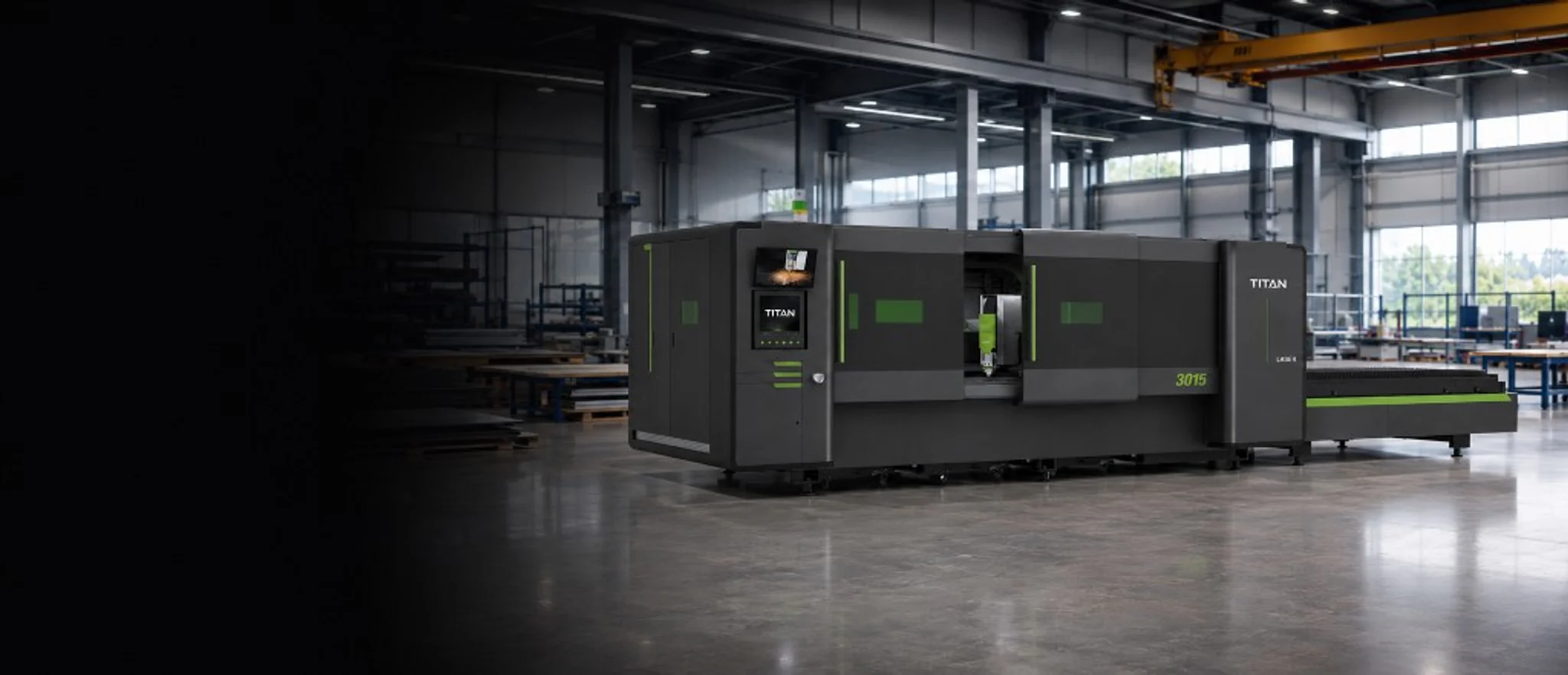
Fibre laser technology gives UK workshops and manufacturers a focused route for cutting suitable metals — especially flat sheet in fabrication, engineering and production workflows where repeatability, nest control and process consistency matter. This guide explains how fibre lasers work in plain English, what materials they suit, why power and bed size matter, and where to go next on the Mantech buying journey.
Understanding source, chiller and cut-head architecture makes kW and bed-size decisions clearer on the shop floor. Compare Vector platforms on the fibre laser hub, use the power guide for everyday sheet work, and the ROI calculator before you talk spec with our engineers.
What is fibre laser technology?
A fibre laser uses a solid-state laser source — light is generated and amplified inside an optical fibre doped with rare-earth elements, then delivered to a cut head through a fibre optic cable. The cut head focuses the beam onto the metal surface while assist gas and CNC motion follow your programmed path. The result is a metal-focused cutting process that differs fundamentally from CO2 laser cutting on acrylic, timber or MDF.
For buyers, the important parts are not academic physics labels but practical system behaviour: source quality, beam delivery, cut-head specification, assist gas, control software, extraction, chiller performance and machine rigidity all affect edge quality and repeatable output on your everyday nests.
Compare live platforms on the fibre laser cutters hub once you understand the basics below.
How fibre laser cutting works in a workshop
- Design or nest file is prepared in CAD/CAM or nesting software.
- Sheet is loaded and referenced on the machine bed.
- Operator verifies material, gas supply, focus and safety checks.
- CNC motion follows the programmed cut path across the sheet.
- Assist gas — nitrogen, oxygen or air depending on material and finish — supports the cut process.
- Cut parts are unloaded; edge quality and dimensional checks confirm the job is in spec.
Fibre laser cutting is an operator-led production process. Training, handover, parameter discipline and safety procedures matter as much as the machine badge — do not assume fully unattended operation.
Dial everyday parameters on the fibre laser parameter tool and read the power guide when kW tier is still open.
What materials fibre lasers are used for
Fibre laser cutting is a metal-focused route. Everyday UK workshop materials include:
- Mild steel — panels, brackets, frames and general fabrication.
- Stainless steel — food-service, architectural and corrosion-sensitive work.
- Aluminium — lightweight assemblies and transport-related sheet parts.
- Brass and copper — achievable on suitable power and machine specification; reflective metals need the right source, cut head and process settings.
Fibre lasers do not cut wood, MDF, acrylic, card, paper or typical CO2 craft materials. If your workflow mixes metal sheet with non-metal engraving, you need the correct platform for each material route — usually fibre for metal and CO2 for non-metals.
Read the fibre vs CO2 guide and sheet-metal comparison when material mix is still open.
Why fibre laser technology suits sheet metal cutting
Fibre laser is widely adopted in sheet metal fabrication because the process is built around suitable metals, repeatable profiles and production-friendly nesting — not because one headline spec suits every job.
- Sheet metal fabrication — subcontract panels, brackets and batch cutting.
- Engineering components — plates, adapters and production parts.
- Enclosures and cabinets — electrical, HVAC and machine guarding.
- Metal signage and architectural profiles — flat-cut letters, trims and decorative metalwork.
- Prototyping and small-batch work — before scaling to longer production shifts.
Fibre laser technology also supports other industrial processes such as welding, marking and surface cleaning on metals — but Mantech buyers shortlisting flat-sheet cutting should start with cut quality, bed format and kW on the Vector and Titan ranges.
Browse sector examples on the applications hub and see UK installs on installations.
Fibre laser power: why it matters
Laser power (kW) affects which metals and thickness ranges a platform can process productively within its rated capability — but higher kW is not automatically the right choice. Match power to everyday material, thickness range, production volume, assist gas plan and realistic growth, not a single peak demo part.
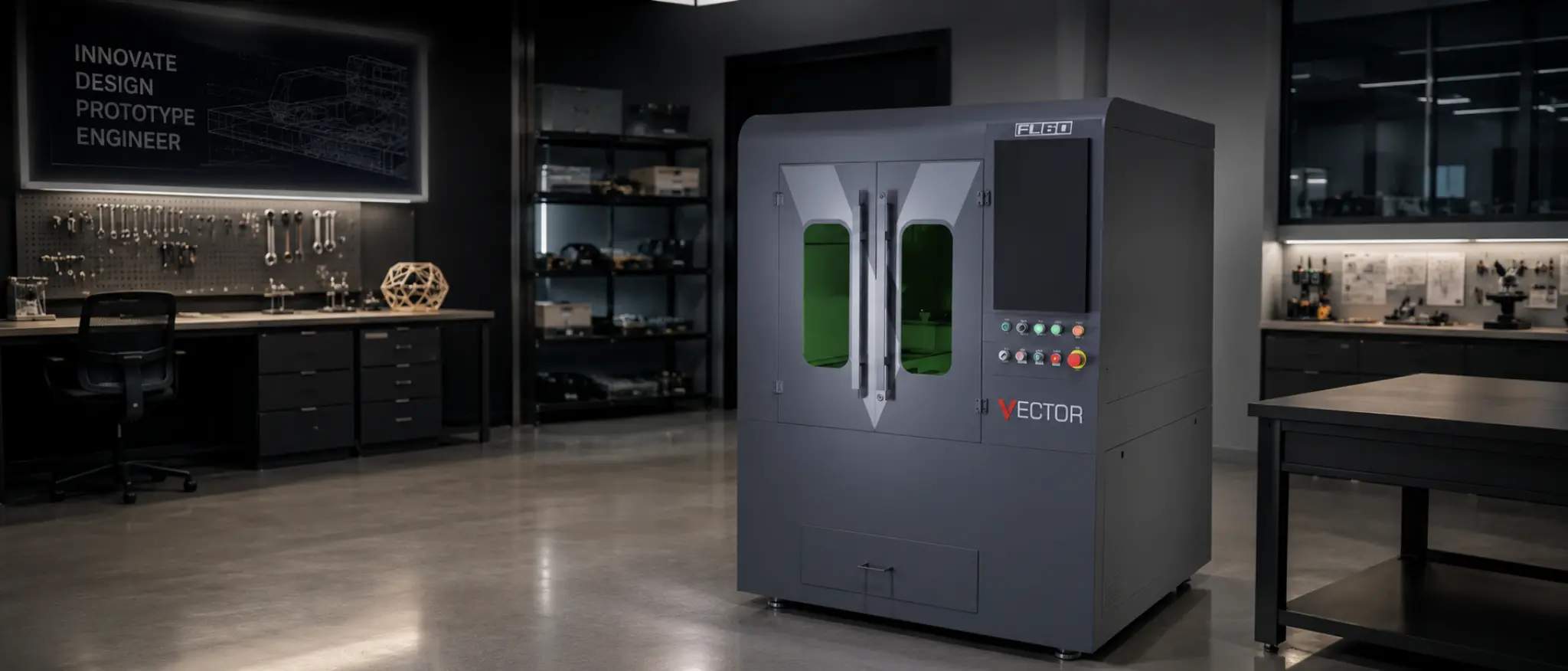
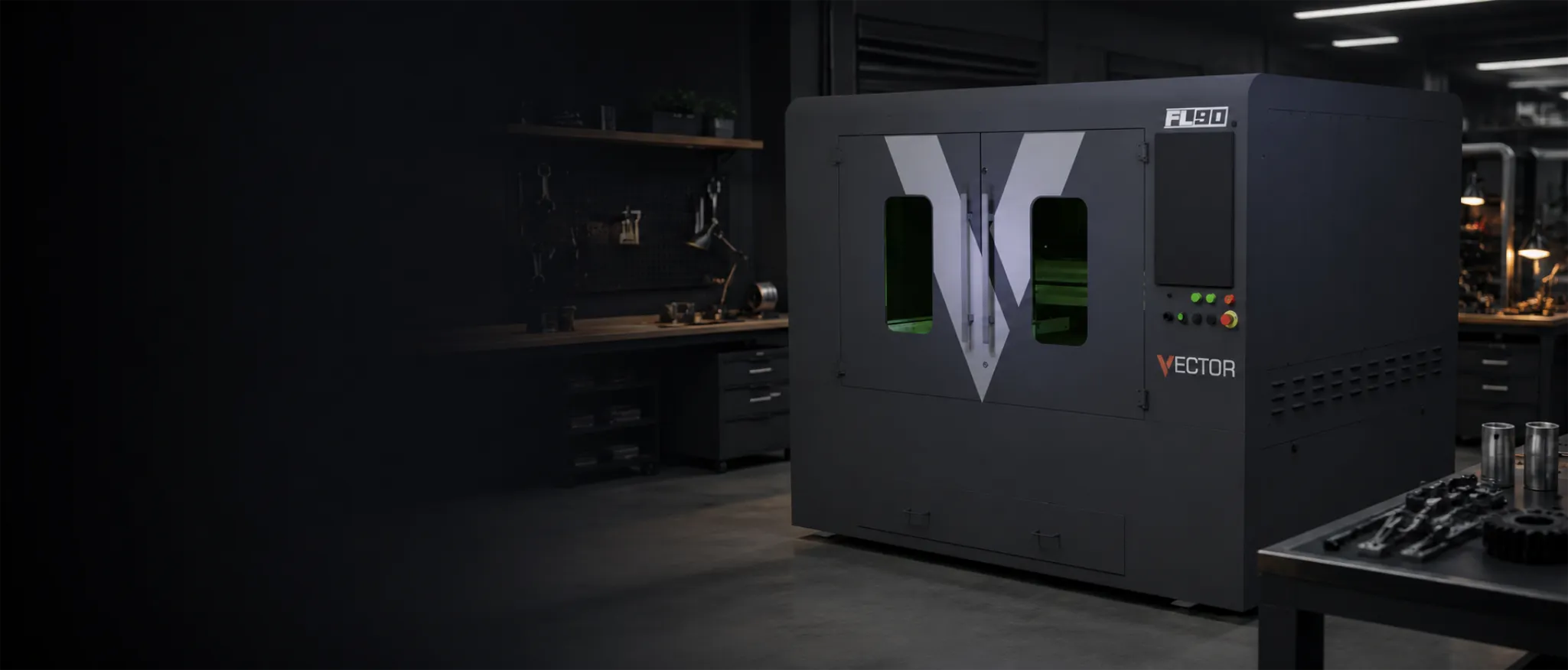
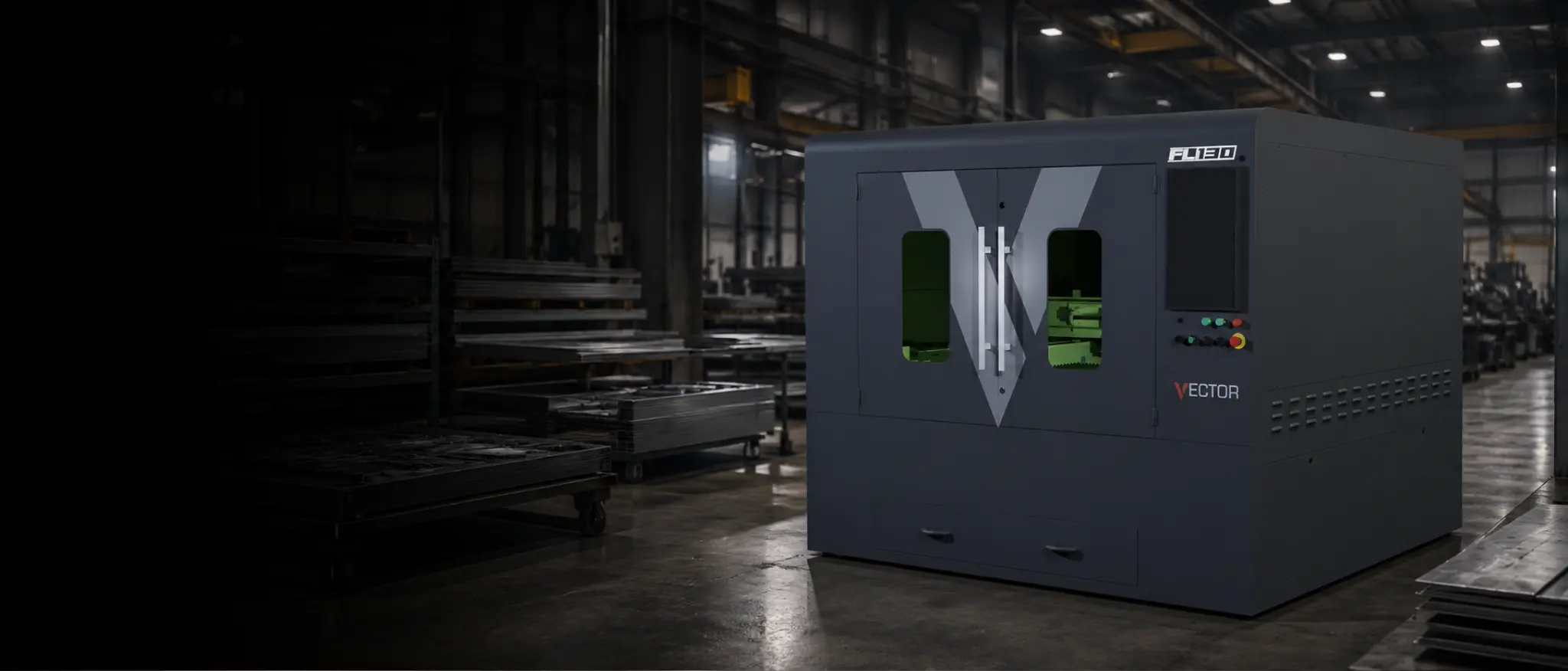
Read the fibre laser power guide and compare Vector FL60, FL90 and FL130 on the hub when shortlisting compact and mid-format routes.
Fibre laser vs CO2 laser technology
Fibre laser is the metal-focused cutting route for suitable steel, stainless, aluminium and related sheet fabrication. CO2 laser is the usual platform for acrylic, wood, MDF, card, selected plastics and education or signage workflows on non-metals. The technologies use different sources, wavelengths and workshop setups — buying the wrong route wastes budget regardless of headline features.
Compare material routes on the general fibre vs CO2 guide and sheet-metal comparison. Explore non-metal CO2 platforms on the CO2 laser hub only when your work is not metal-led.
What buyers should check before choosing a fibre laser
- Material type and everyday thickness range.
- Largest standard sheet or nest size you quote regularly.
- Production volume — shifts per week and batch versus one-off mix.
- Machine power (kW) matched to real work, not brochure peak thickness alone.
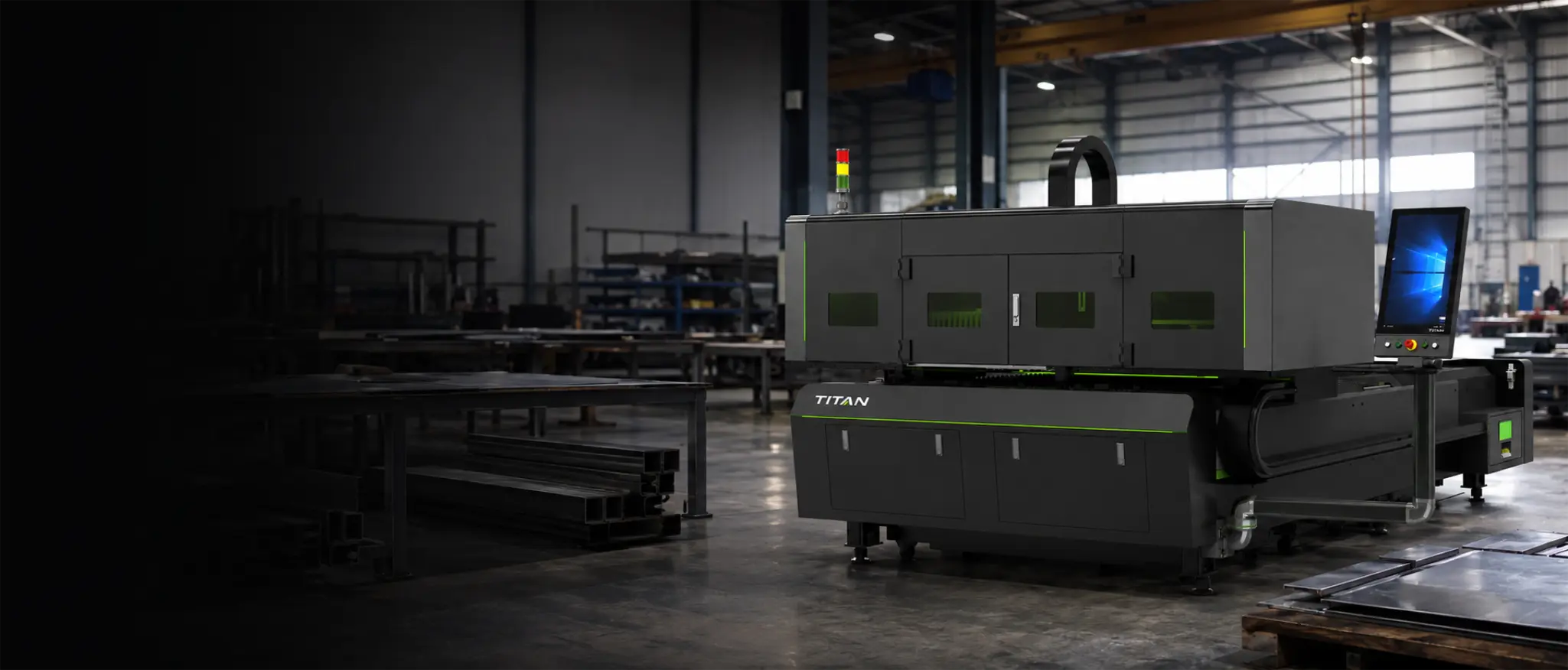
- Bed size and platform format — compact Vector versus Titan production flatbed.
- Assist gas supply — nitrogen, oxygen or air strategy for your material mix.
- Extraction and fume management sized for your shift length.
- Safety enclosure, interlocks and workshop layout.
- Installation environment — electrical supply, chiller placement and access.
- Training, handover and UK service backup.
- Future growth — thicker stock, longer shifts or larger formats in the next few years.
Frame ownership factors in the fibre laser cost guide and model scenarios on the fibre ROI calculator — without treating either as a substitute for a specification-led Mantech quote.
Extraction, safety and maintenance
Fibre laser technology only performs reliably when extraction, filtration, chiller performance and planned maintenance are part of the setup — not afterthoughts. Commercial metal cutting generates fumes and requires disciplined optics care, nozzle management and safety procedures.
Read fibre laser safety: what to look out for, size extraction on the Kemper fibre laser extraction hub, and follow the maintenance checklist after handover.
How Mantech helps buyers choose the right fibre laser route
Mantech supplies Vector and Titan fibre laser platforms with UK installation, operator training, application advice and nationwide service backup. Our team matches machine specification to your material mix, sheet size and production plans — not a generic brochure tier.
Shortlist Vector FL90 for mid-format sheet work, explore Titan N Series for production flatbed routes, or call 0121 541 1444 and use contact when you are ready to discuss specification.
Advantages buyers should understand — without hype
Fibre laser sources are generally efficient on suitable metal work compared with many legacy metal-cutting routes, and solid-state delivery through fibre cable avoids the mirror alignment cycles of older systems. That can reduce certain running-cost and maintenance burdens — but only when extraction, gas, optics and service are managed properly. Mantech does not publish generic productivity comparisons or payback figures in this guide.
Useful next reads
- Fibre laser cutters hub
Compare Vector and Titan platforms before you fix kW and bed format.
- Fibre laser power guide
Match kW tier to material, thickness range and production volume.
- Fibre laser cost guide
Understand ownership cost drivers without public list pricing.
- Fibre laser ROI calculator
Model scenarios from your shift pattern — not invented industry averages.
- Vector FL90 fibre laser
Mid-format platform many UK fab shops shortlist after understanding fibre basics.
- Fibre vs CO2 guide
Confirm material route before you compare machine quotes.
- Fibre vs CO2 for sheet metal
Sheet-metal-specific comparison when CO2 is still in the conversation.
- Fibre laser cutting guide
Practical cutting workflow detail alongside this technology overview.
Frequently asked questions
What is fibre laser technology?
Fibre laser technology uses a solid-state source and fibre optic beam delivery to focus energy onto suitable metals for cutting, and related processes such as welding or marking on metals. For flat-sheet buyers, the key question is whether the platform, kW and bed size match your material mix and production plans.
How does a fibre laser cutter work?
A nest or part file is programmed, sheet is loaded, and CNC motion follows the cut path while assist gas and the focused beam remove metal along the profile. Operator setup, training and safety checks are part of normal production — it is not a set-and-forget process.
What materials can a fibre laser cut?
Suitable metals such as mild steel, stainless, aluminium and selected brass or copper on the right machine spec. Fibre lasers do not cut wood, MDF, acrylic or typical CO2 materials — use the fibre vs CO2 guides if your workflow is mixed.
Is fibre laser better than CO2 laser?
It depends on material. Fibre laser is the metal-focused route for sheet fabrication. CO2 is the usual route for acrylic, wood, MDF, card and non-metal engraving or signage. Neither is “better” universally — the right choice follows your material mix.
What fibre laser power do I need?
Match kW to everyday material, thickness range, production volume and assist gas plan. Read the fibre laser power guide and compare Vector and Titan platforms on the hub before you fix budget against power alone.