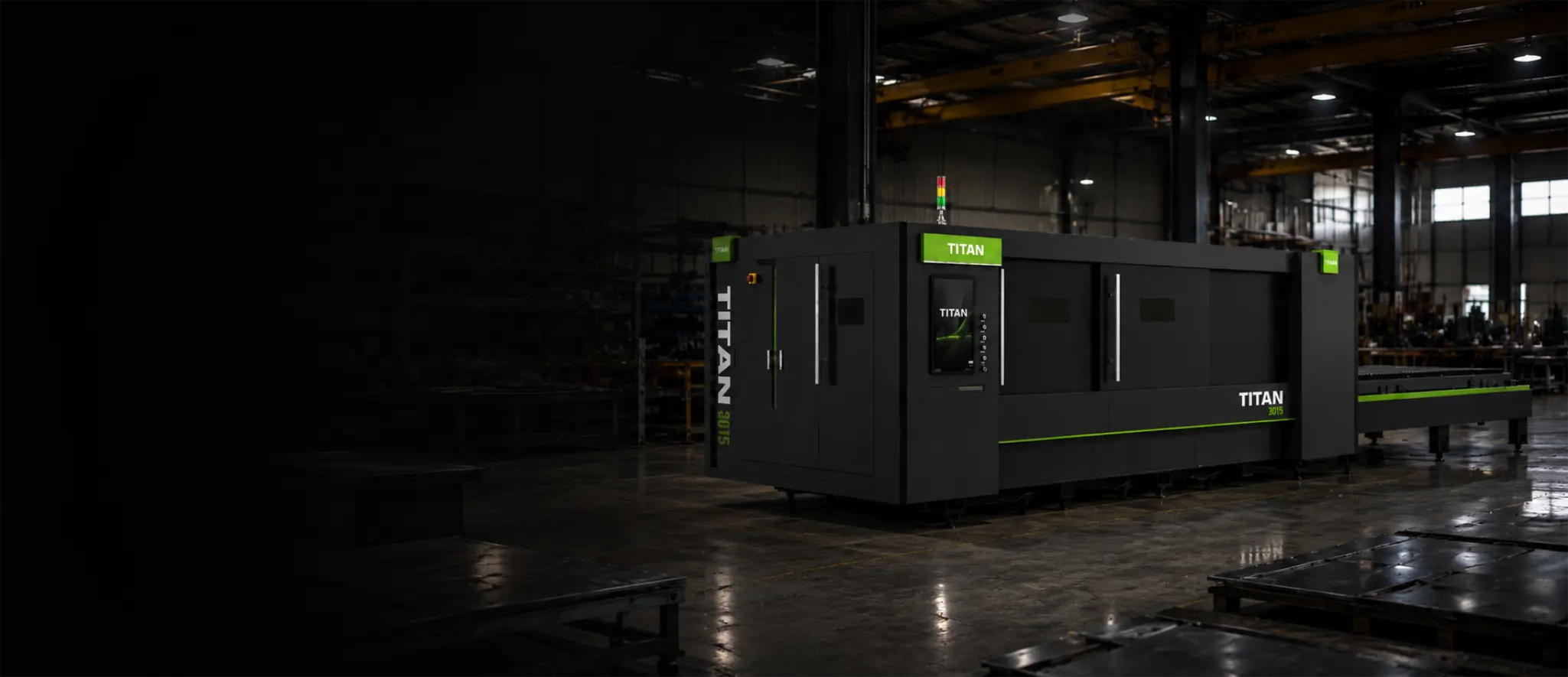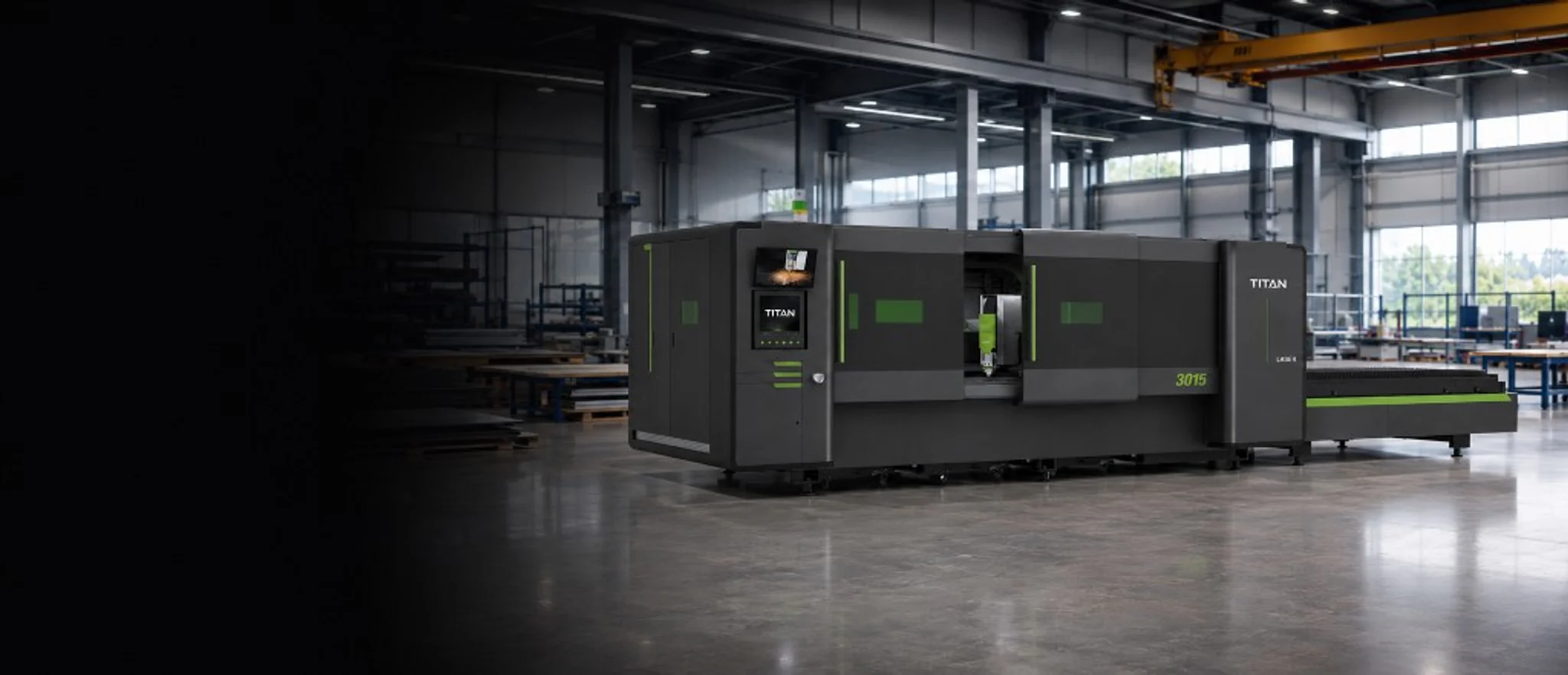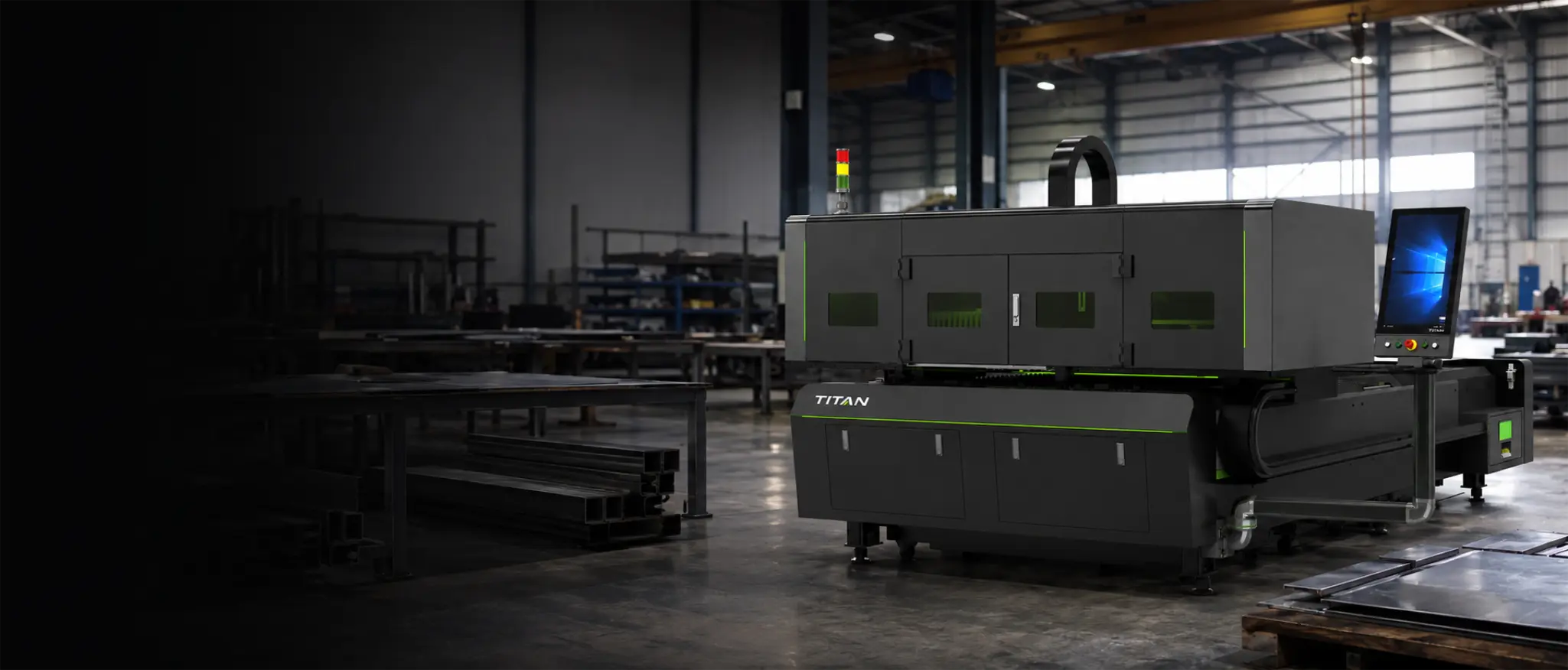
Fibre laser cutters are built for fast, accurate cutting of suitable metals — especially flat sheet in fabrication, engineering and production. This guide covers how fibre laser cutting works, which metals and applications it suits, how power and bed size affect machine choice, and where Mantech Vector and Titan platforms fit for UK workshops, manufacturers and colleges.
Platform and kW rating usually matter more than brand badges when you are cutting sheet metal in the UK. Compare Vector models on the fibre laser hub, read the power guide for thickness capability, and our fibre vs CO₂ guide if you are still weighing gas versus solid-state.
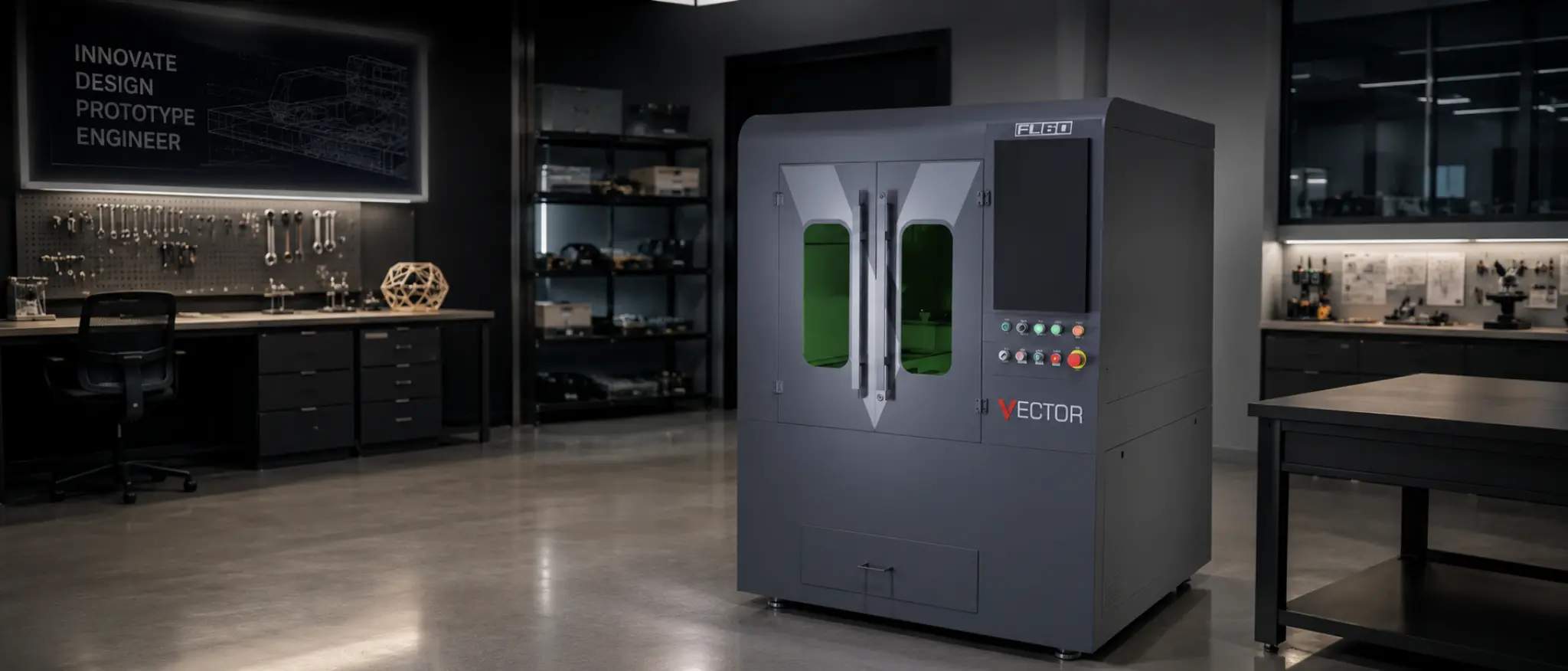
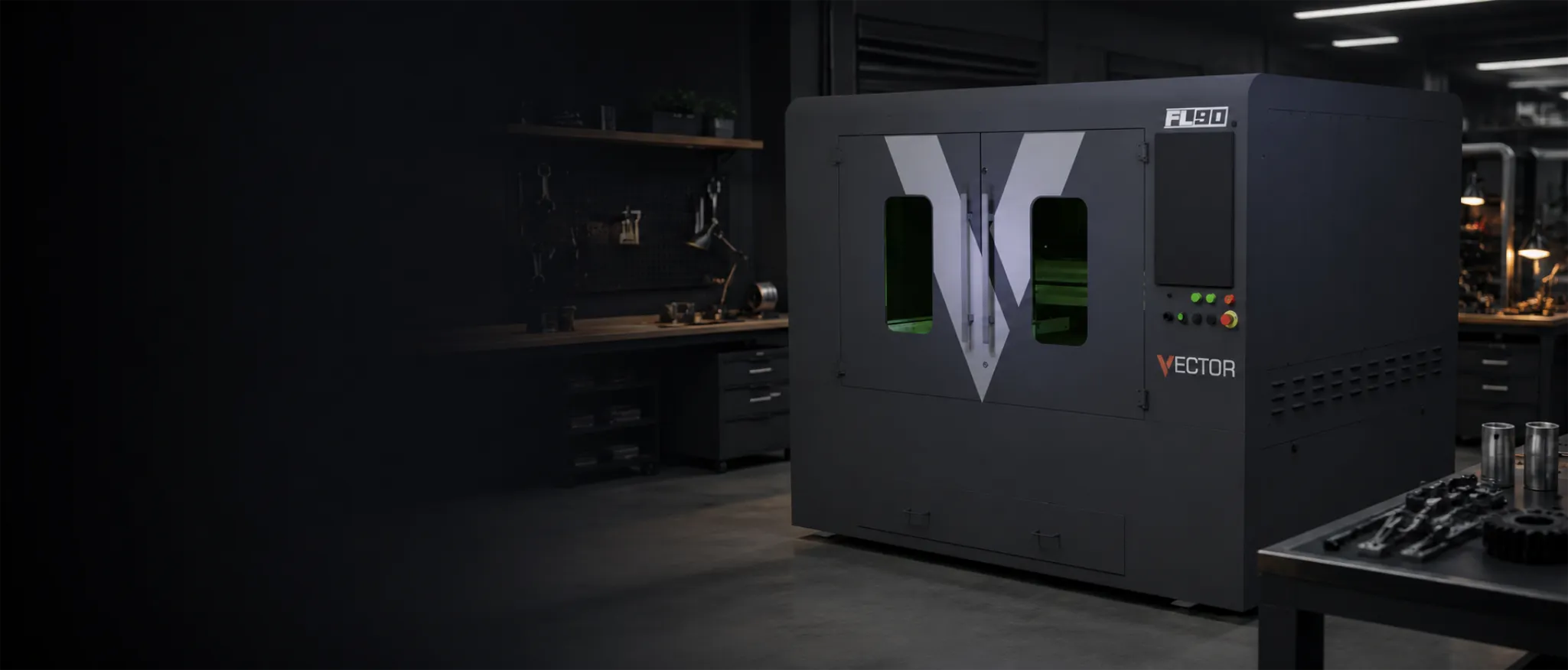
For compact and mid-format cutting, compare the Vector FL60 with the Vector FL90. Work involving full sheets or higher power may be better suited to the Vector FL250 and FL300. Once you have shortlisted a machine, use the fibre laser ROI calculator to estimate costs and payback from your own workload. West Midlands businesses can also review the current manufacturing grants guidance.
What is fibre laser cutting?
Fibre laser cutting uses a solid-state laser source delivered through a fibre optic cable to a cut head that focuses the beam onto the metal surface. The intense energy melts or vaporises material along the cut path while assist gas — typically nitrogen or oxygen, depending on the job — helps eject molten metal and protect the cut edge. A CNC motion system follows your nest or part programme across the sheet.
For buyers, the practical outcome is repeatable profiles on mild steel, stainless, aluminium and other suitable metals without the mirror alignment and tube replacement cycles associated with older CO₂ metal-cutting setups. It is a metal-focused process — not a substitute for CO₂ engraving on acrylic, timber or card.
What materials can a fibre laser cutter cut?
Fibre lasers excel on metals. The everyday UK workshop mix usually includes:
- Mild steel — the core volume material for panels, brackets, frames and general fabrication.
- Stainless steel — kitchen, architectural, food-service and corrosion-sensitive work.
- Aluminium — lightweight assemblies, signage metalwork and transport-related parts.
- Brass and copper — achievable on suitable power and machine spec; reflective metals need the right source, cut head and process settings.
Fibre lasers do not cut wood, MDF, acrylic, paper, fabric or other non-metal materials. If your work is mixed — metal sheet plus engraving on plastics or timber — you need a separate CO₂ platform or routing process alongside fibre, not one machine for everything.
For thickness by kW, reflective-metal notes and filmed cut demos, see what you can cut on a fibre laser.
Fibre laser cutting by application
Typical UK use cases where fibre earns its floor space include:
- Sheet metal fabrication — panels, brackets, chassis parts and subcontract cutting.
- Enclosures and cabinets — electrical, HVAC and machine guarding in mild steel or stainless.
- Signage and architectural metalwork — flat-cut letters, trims and decorative metal profiles.
- Engineering components — jigs, adapters, plates and batch production parts.
- Education and training — colleges teaching advanced manufacturing with real industrial equipment.
- Prototyping and small-batch production — quick turnarounds before scaling to full shifts.
Browse sector examples on our applications hub and see live UK installs on installations — useful context before you shortlist bed size and kW.
Choosing the right fibre laser power
Power (kW) governs how quickly you can cut a given metal and thickness within the machine's rated capability. The right tier depends on material type, everyday thickness, production speed targets, cut quality expectations and assist gas setup — not a one-off demo part.
| Power range | Typical use case | Buyer consideration |
|---|---|---|
| 3 kW entry | Light-gauge sheet, education labs, first metal laser investment | Compact platforms such as Vector FL60 — match to your most common nest thickness and shift length |
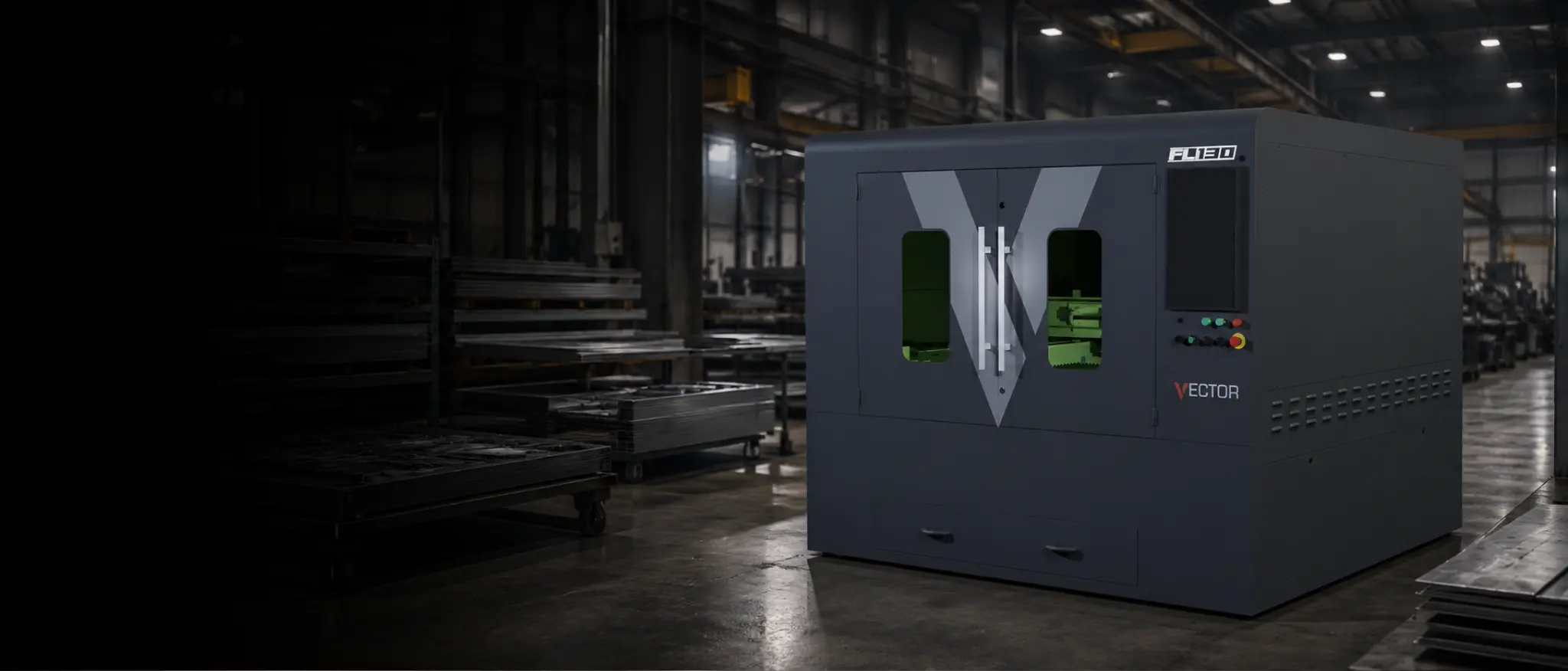
| 6 kW mid | General fabrication, mixed mild steel and stainless production | Vector FL90 / FL130 territory — balance throughput with assist gas and extraction running cost |
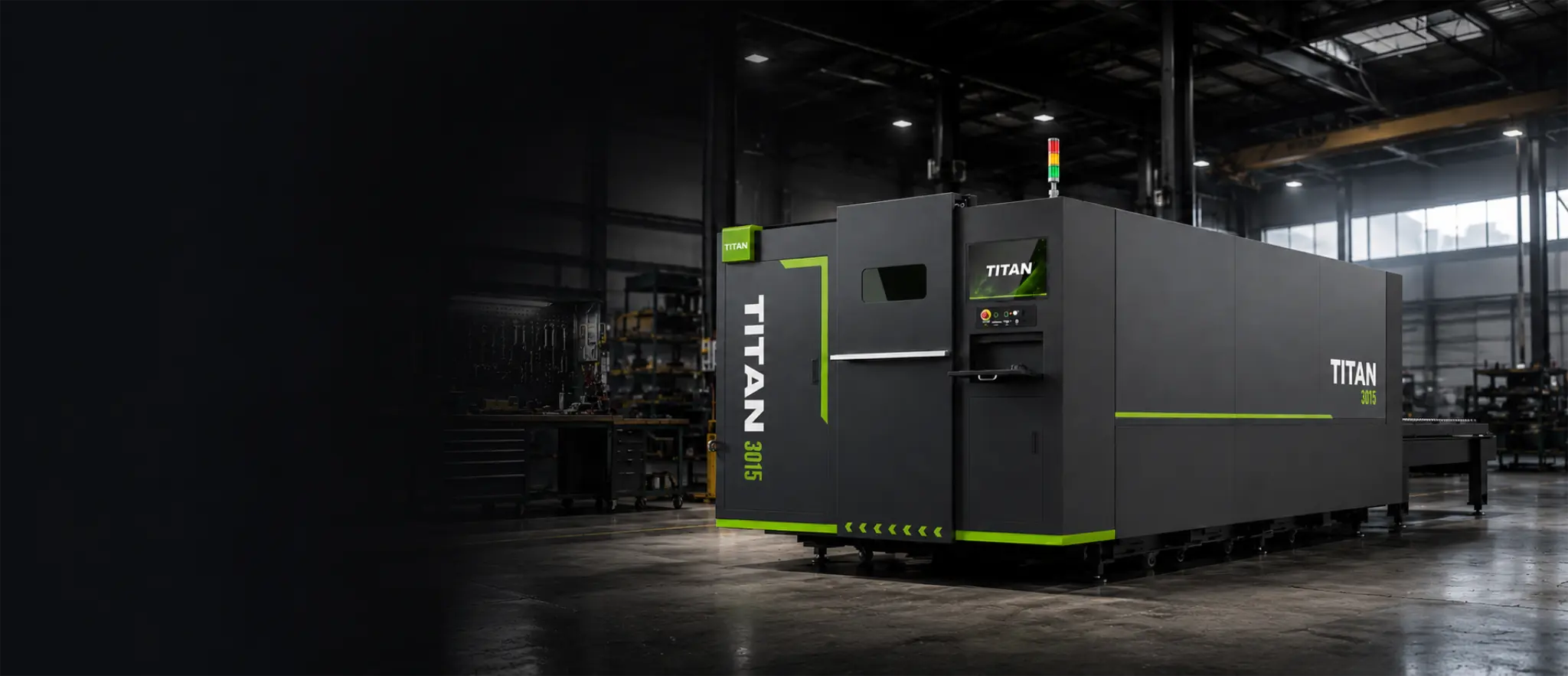
| 12 kW production | Busy fab shops cutting larger everyday gauges at volume | Titan N3015 or F3015B flatbeds — 3000 × 1500 mm format, production nesting workflow and planned maintenance rhythm |
| 20 kW high | Heavy production on large sheet formats at maximum throughput | Titan FP3015 — premium dual-shuttle flatbed; floor space, service commitment and chiller capacity |
Read the fibre laser power guide for a deeper UK-focused walkthrough of each tier and how Mantech maps them to Vector and Titan models.
Choosing the right bed size
Bed size determines the largest sheet you can nest without repositioning. Compact machines suit smaller footprints, education labs and workshops cutting sub-full-size sheet. Mid-size beds cover typical UK fab shop panels. Full-format beds reduce joins on 2×1 m and larger nests — important when quoting complete panels rather than spliced sections.
On the fibre laser cutters hub, compare Vector FL60 and FL90 for compact and mid-size needs, FL130 for increased cutting area, and the Titan N Series, FB Series and FP Series for production flatbeds up to 6000 × 2500 mm. Bed choice and kW should be decided together — not as separate spec-sheet ticks.
Fibre laser vs CO₂ laser cutting
The distinction is material focus, not headline speed alone. Fibre lasers are the modern default for flat metal sheet — mild steel, stainless, aluminium and related alloys within each machine's capability. CO₂ lasers remain the practical choice for non-metal work: acrylic, wood, plastics, card, leather and many education or signage materials that fibre cannot process.
If metal dominates your quoting, start on the fibre hub. If you engrave acrylic or timber alongside occasional metal thinking, read our fibre vs CO₂ laser guide and the sheet-metal comparison before you commit floor space to one technology.
What to consider before buying a fibre laser cutter
- Material range — confirm everyday metals and thicknesses, not edge-case one-offs.
- Sheet size — nest your largest standard blank on the bed you plan to buy.
- Required power — align kW with thickness, speed targets and assist gas plan.
- Extraction and filtration — size for your duty cycle; see Kemper options for fibre.
- Safety enclosure — enclosed platforms and interlocks are part of responsible install.
- Software and control — nesting, lead-in strategy and machine workflow training matter day to day.
- Installation space — machine footprint, chiller placement, gas storage and material flow.
- Training and support — UK installation and operator training reduce early downtime.
- Future growth — leave headroom for thicker work or longer shifts if quoting trends upward.
Use the fibre laser buyer’s guide for the full buying workflow. Check starting cut settings in the cut parameter tool, review safety and extraction alongside the machine spec, then model ownership on the ROI calculator.
Vector vs Titan — which Mantech platform?
Mantech supplies two fibre laser families, each aimed at different workshop profiles. Vector flatbeds — FL60 through FL130 — suit compact footprints, education labs and general fabrication with UK-designed V-CUT control. They are the practical entry and mid-power route when sheet size and floor space are constrained.
Titan flatbeds cover industrial production formats. The N Series (N3015, N4020 and N6025) is the open-bed single-table platform from 3 kW through 20 kW; the FC Series (F3015C and F6025C) and FB Series (F3015B, F4020A) add dual-shuttle and side-door shuttle exchange for continuous sheet output; the FP Series (FP3015, FP4020 and FP6025) is the premium dual-shuttle platform rated up to 20 kW for maximum throughput. All Titan flatbeds run FSCUT industrial control with CypCut software — basic nesting included, CypNest optional — a different workflow tier from Vector V-CUT. For tube and profile work, the Titan T6524 is a separate platform.
Compare both families on the fibre laser cutters hub. Shortlist Vector when compact beds and V-CUT training matter; shortlist Titan when you need full 3015 format, shuttle exchange or 12–20 kW production duty.
Explore Mantech fibre laser options
Mantech supplies Vector and Titan fibre laser cutters with UK installation, operator training, nationwide engineer support and application advice. Whether you are a subcontract panel supplier, an engineering SME or a college building manufacturing capacity, match material, sheet size and power to a verified platform — Vector for compact and mid-size work, Titan for industrial flatbed production — then demo with your own nest files at Halesowen.
Start on the fibre laser cutters hub for the full Vector and Titan range, control options and trust details. Call 0121 541 1444 or request a quote when you have sample parts and floor dimensions ready.
Useful next reads
- What can you cut on a fibre laser?
Metals, thickness by kW, reflective-head notes and filmed cut demos.
- How to choose a fibre laser cutter
The UK procurement workflow — parts, bed format, table architecture, software, infrastructure and supplier proof.
- Titan N Series flatbed fibre lasers
Industrial single-table flatbeds — N3015, N4020 and N6025 from 3 kW through 20 kW for open-bed production.
- Fibre laser cut parameter tool
Starting cut settings for common metals and power levels on Vector machines.
- Fibre laser power guide
Match kW tiers to everyday thickness, speed and Vector or Titan choices.
- Fibre vs CO₂ laser guide
Understand which platform suits metal-only work versus mixed non-metal engraving.
Frequently asked questions
What can a fibre laser cutter cut?
Suitable metals — typically mild steel, stainless steel and aluminium sheet within each machine's rated capability, plus brass and copper on appropriate power and spec. Fibre lasers are metal-focused; they do not cut wood, acrylic, MDF or fabric.
Can a fibre laser cutter cut wood or acrylic?
No. Fibre lasers are designed for metal. Wood, acrylic, plastics, card and similar materials require CO₂ laser or other processes. Many UK workshops run fibre for sheet metal and CO₂ for engraving non-metals.
What fibre laser power do I need?
Match kW to your everyday material thickness, production speed and assist gas setup — not a single peak demo part. Entry 3 kW suits light-gauge and education on Vector FL60; mid 6 kW covers general fab on Vector FL90 or FL130; 12 kW production maps to Titan N3015 or F3015B flatbeds; 20 kW high-throughput work belongs on Titan FP3015. See the fibre laser power guide for tier detail.
Is a fibre laser better than a CO₂ laser?
For flat metal sheet, fibre is usually the faster, lower-maintenance choice. CO₂ remains better for non-metal engraving and mixed maker or education workflows. Compare both on our fibre vs CO₂ guides if your work spans metal and non-metal.
What should I check before buying a fibre laser cutter?
Material and thickness range, sheet size, power tier, extraction and safety enclosure, control software, installation space, training and UK support. Demo with your nest files, review safety and Kemper extraction options, and model running cost before you specify kW and bed format.