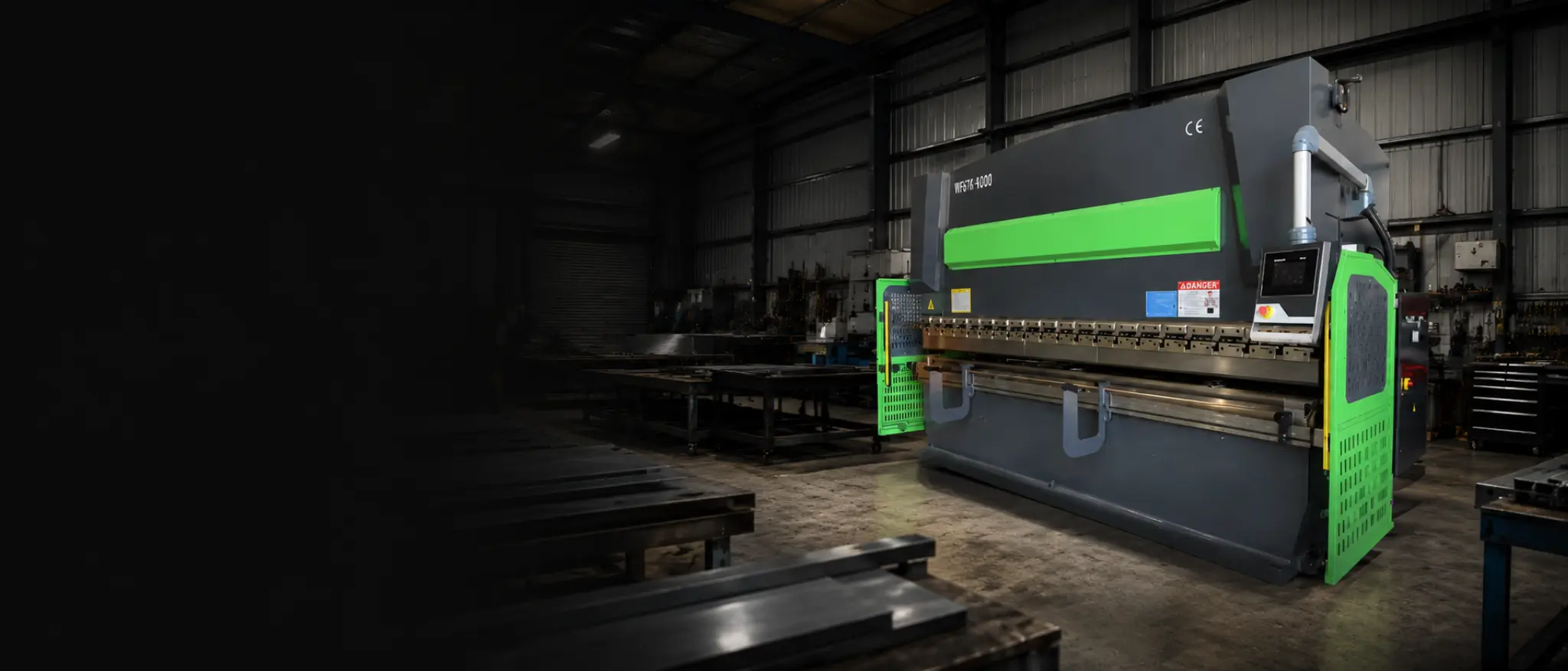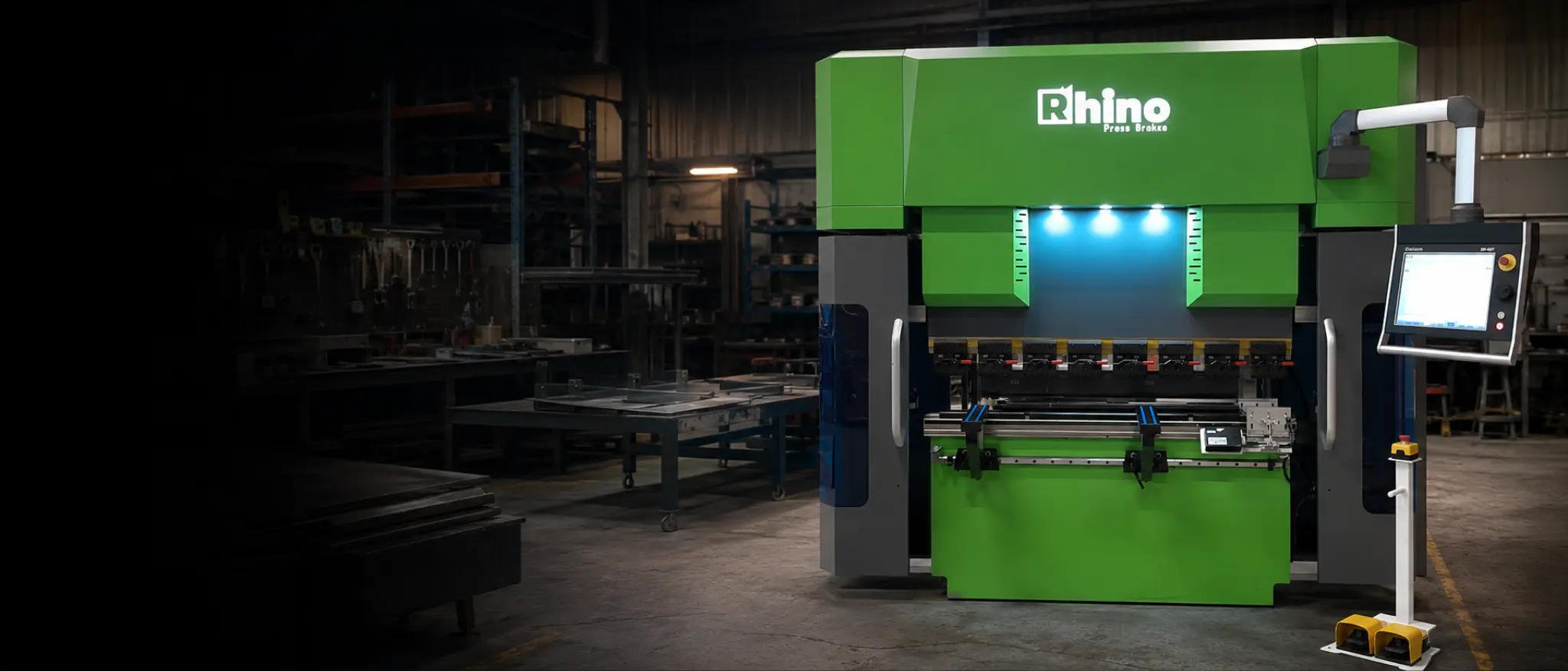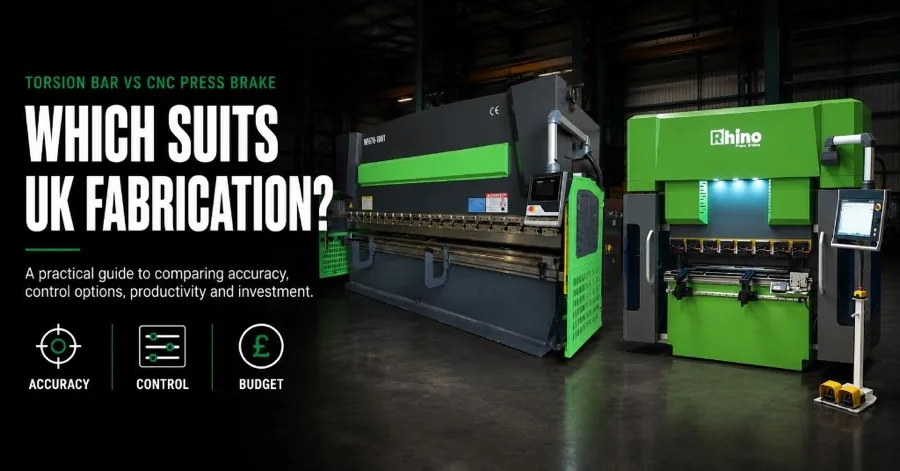
When a buyer asks for “a CNC press brake”, they often mean they need to pick a control and synchronisation class — not just a machine with a touchscreen. Rhino torsion bar brakes and Rhino Premium CNC platforms both bend sheet under CNC control. They are not the same machine, and price alone will not tell you which one fits.
Both platforms bend under CNC. The real choice is sync method, axis count and accuracy. Compare Rhino torsion bar and Rhino Premium CNC, then check force on the tonnage guide.
Which class fits your flange mix?
- Torsion bar CNC with Delem DA-41T suits most UK shops doing accurate everyday flanges on a controlled budget.
- Premium CNC with higher DELEM axis counts, crowning control and Lazersafe earns its place when angle repeatability and complex flanges drive quoting.
- Both ranges need correct tonnage and bed length — control class does not fix an undersized beam.
- If box-and-pan work dominates, compare a hydraulic folder before you overspec either brake class.
Browse Rhino torsion bar press brakes and Rhino Premium CNC press brakes. For tonnage, bed length, tooling and install, use how to choose a CNC press brake.
What torsion bar and Premium CNC actually mean
On Rhino torsion bar machines, a mechanical torsion bar keeps the ram in sync for everyday production bending. Delem DA-41T gives you a touchscreen for Y and X backgauge programmes in a familiar Delem layout. That is enough for brackets, enclosures and general flanges when operators need fast, repeatable setups.
Rhino Premium CNC platforms are built for tighter production cells: Bosch-Rexroth hydraulics, monoblock precision frames, multi-axis DELEM control (typically from 3+1 up through higher-axis families) and OEM-embedded Lazersafe in the bending zone. They are for shops where crowning, backgauge complexity and tighter angle control show up on almost every nest.
Watch the Rhino torsion bar press brake overview, the Delem DA-41T bending demo and the premium press brake introduction before a Halesowen visit — seeing the controls in use beats reading a spec sheet when you are choosing a class.
Torsion bar CNC vs Premium CNC
| Factor | Torsion bar CNC (Rhino W67Y) | Premium CNC (Rhino Premium) |
|---|---|---|
| Typical buyer | Workshops needing accurate, affordable CNC bending | Production cells needing multi-axis accuracy |
| Ram synchronisation | Torsion bar for everyday production | Hydraulic / CNC sync on precision platforms |
| Control | Delem DA-41T — Y + X backgauge | DELEM CNC with higher axis options (3+1 to 8-axis families) |
| Hydraulics / build | Industrial torsion bar CNC package | Bosch-Rexroth hydraulics · monoblock precision platforms |
| Safety package | Standard industrial guarding for the range | OEM-embedded Lazersafe + interlocked fencing options |
| Best everyday fit | Mild steel flanges, brackets, enclosures, general fab | Complex flanges, crowning control, higher repeat accuracy |
| Where to compare | Rhino torsion bar hub | Rhino Premium CNC hub |
When torsion bar CNC is the right buy
Choose torsion bar CNC when most of your work is straightforward flanges, brackets and enclosure panels — and when operators need a Delem touchscreen without a steep multi-axis learning curve. Many UK shops bring bending in-house on this class and never need Premium axes for their quoting mix.
- Everyday mild-steel and mixed fab flanges with simple backgauge programmes.
- Budget and floor-space discipline — accurate CNC without overspec multi-axis hardware.
- Euro tooling included as standard across the Rhino torsion range.
- Operators who already know Delem-style touch controls and want fast changeovers.
See the Kes Power & Lighting case study for a 100T torsion brake in electrical manufacturing, and browse UK installs on installations.
When Premium CNC is worth the step up
Premium CNC pays back when scrap, angle scatter or complex flange sequences already cost you more than the machine delta. Multi-axis backgauge, crowning control and Lazersafe matter when QC rejects and rework show up on tight assemblies — not when volume is occasional and flanges stay simple.
- Complex multi-bend sequences and higher axis counts on the quoting mix.
- Tighter angle repeatability and crowning control on longer beds or thicker stainless.
- Production cells where Lazersafe and interlocked guarding are part of the H&S case.
- Operators already running advanced DELEM programmes — or ready to train into them.
Compare platforms on the Rhino Premium CNC hub. Size force and V-die choices on the press brake bending calculator before you shortlist tonnage.
Control class does not replace sizing
Pick the right sync class first, then confirm tonnage, bed length and tooling. Undersize the beam and either machine rejects jobs. Oversize both and capital sits idle. Stainless usually needs more force than mild steel at the same thickness; V-die opening still drives theoretical air-bending force.
- List top jobs by material, thickness, bend length and flange complexity before you pick a class.
- Estimate tonnage on the bending calculator — then confirm tooling tonnes-per-metre separately.
- Match bed length to everyday nest sizes when laser and brake share a cell.
- Budget install, commissioning and operator training from Halesowen — not only the machine invoice.
Full sizing and tooling checks sit in how to choose a CNC press brake and the press brake tonnage guide. Use the bending calculator for force and V-die estimates.
Folder or guillotine instead?
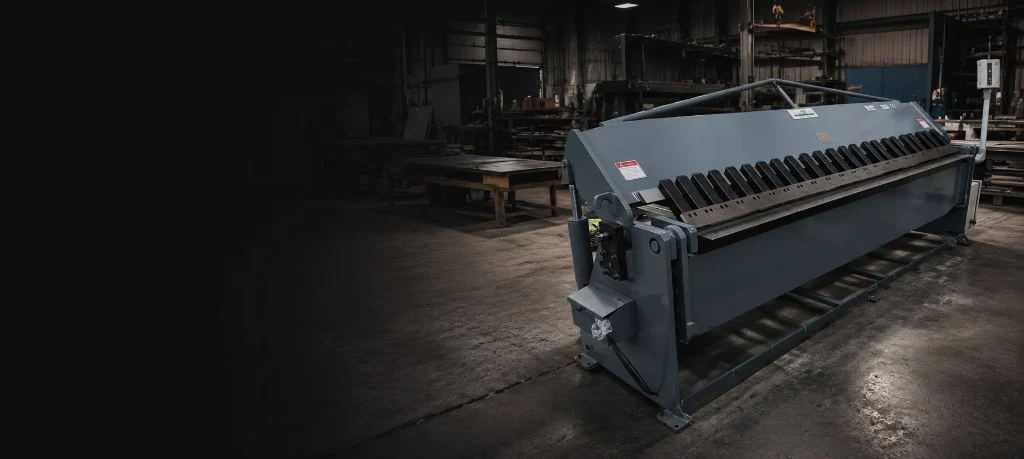
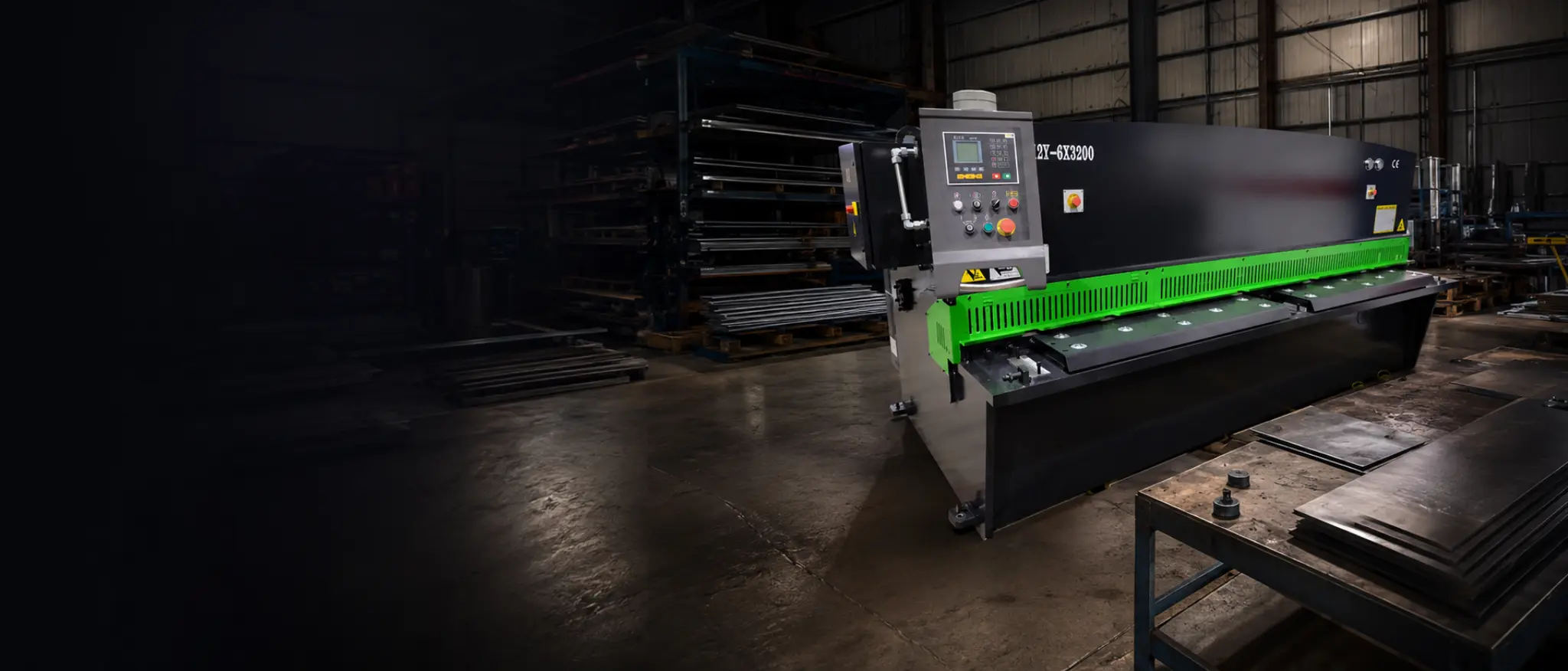
Not every forming gap is a press-brake class decision. Hydraulic folders excel at box-and-pan work with segmented tooling. Guillotines own straight blanking before the bend cell. Many UK shops run shear plus brake as a pair — and add a folder when pan work dominates.
The process choice sits in press brake vs hydraulic folder. Compare industrial guillotines if you still need to cut the blanks first.
Before you quote
- Map your top five weekly bend jobs — simple flanges versus multi-axis / crowning work.
- Decide torsion bar CNC vs Premium on accuracy and axis need — not peak thickness on a spec sheet alone.
- Confirm Delem DA-41T versus higher-axis DELEM matches operator skill and programme library plans.
- Check Euro tooling, guarding (including Lazersafe on Premium) and training are in the package.
- Bring sample drawings and scrap to a demo so angle and flange accuracy are judged on your work.
See the Rhino ranges
Mantech Machinery UK supplies Rhino torsion bar and Premium CNC press brakes from Halesowen with UK installation, commissioning and operator training. If you are replacing a failed brake, bringing bending in-house, or stepping up from torsion bar accuracy to multi-axis production, our engineers can map control class to your everyday nest.
Compare torsion bar press brakes and premium CNC press brakes, plan force on the bending calculator, or call the team — UK 0121 541 1444 · Ireland (+353) 83 804 8820.
Useful next reads
- How to choose a CNC press brake (UK)
Tonnage, bed length, tooling and install — the full buying checklist.
- Press brake vs hydraulic folder
When boxes and trays should sit on a folder instead of either brake class.
- Rhino torsion bar press brakes
Affordable CNC bending — Delem DA-41T and Euro tooling.
- Rhino Premium CNC press brakes
Multi-axis DELEM platforms when accuracy and crowning matter.
- Press brake tonnage guide
Material, bend length, V opening and tooling limits.
Frequently asked questions
Is a torsion bar press brake still CNC?
Yes. Rhino torsion bar machines use Delem DA-41T touchscreen CNC for programmable Y and X backgauge work. “Torsion bar” describes how the ram is synchronised — not whether the machine has CNC. Premium CNC adds higher axis counts, crowning control and a different hydraulic and safety package.
When should I choose Premium CNC over torsion bar?
When complex flanges, multi-axis backgauge, crowning and tighter angle repeatability already drive scrap or rework on your quoting mix. If everyday mild-steel flanges and simple programmes dominate, torsion bar CNC is usually the better first buy.
Does Delem DA-41T limit what I can bend?
DA-41T covers conventional torsion bar production programmes well. It is not a substitute for higher-axis DELEM controls when your nest needs more backgauge axes and advanced crowning strategies. Match the control to the jobs — then confirm tonnage and bed length separately.
Do both ranges need the same tonnage calculation?
Yes. Control class does not change the air-bending force needed for a job. Use the press brake tonnage guide to check the inputs, run them through the bending calculator, then confirm total machine capacity and tooling tonnes per metre.
Should I demo both classes before buying?
If you are unsure, yes. Bring sample drawings and scrap so angle and flange accuracy are judged on your work. Watch the DA-41T and Premium introduction videos first, then book a Halesowen demo — call 0121 541 1444.